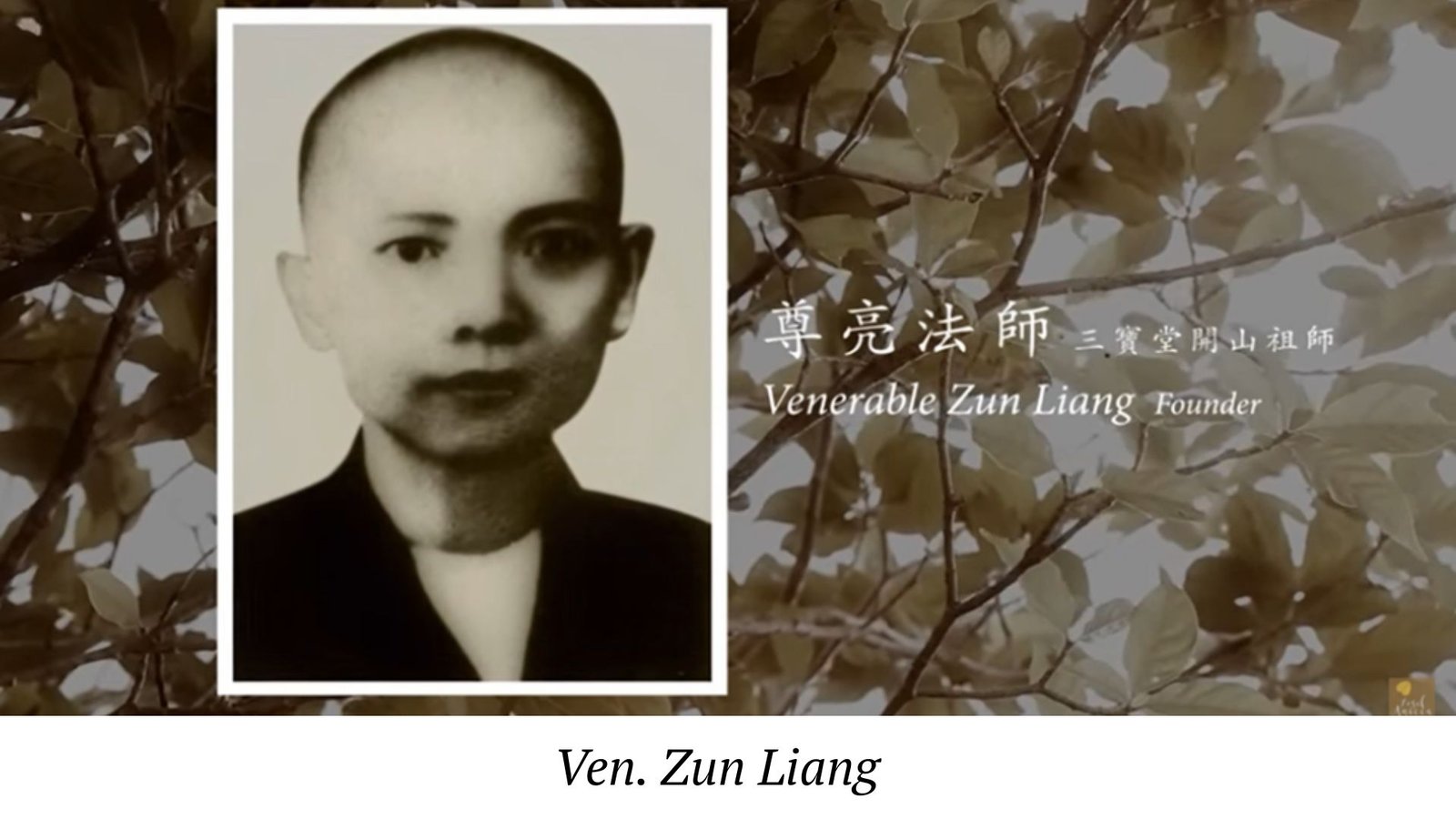
After Venerable Zun Liang’s passing, five devoted laywomen practitioners who had committed themselves to a semi-monastic lifestyle were left without guidance. A lay supporter, Madam Wong Sook Ming, repeatedly invited Bhikkhuni Yan Zhi to assume leadership as Abbess. As Bhikkhuni Yan Zhi was then managing Fu Feng Vihara and unable to leave, she recommended her disciple, Venerable Da Yin, to take over the temple. Around 1950, Venerable Da Yin became the second Abbess of San Guan Tang.
In 1952, due to the British government’s large-scale resettlement plan, San Guan Tang was relocated from Kampung Ampang Batu 13 to its present location in Ampang New Village. Conditions at the time were difficult and resources were limited. Nevertheless, Venerable Da Yin remained steadfast in her practice, living a simple and disciplined life devoted to cultivation and the Guanyin practice. She regularly conducted the Great Compassion Repentance ceremony each month, and many devotees spoke of extraordinary spiritual experiences associated with these practices.
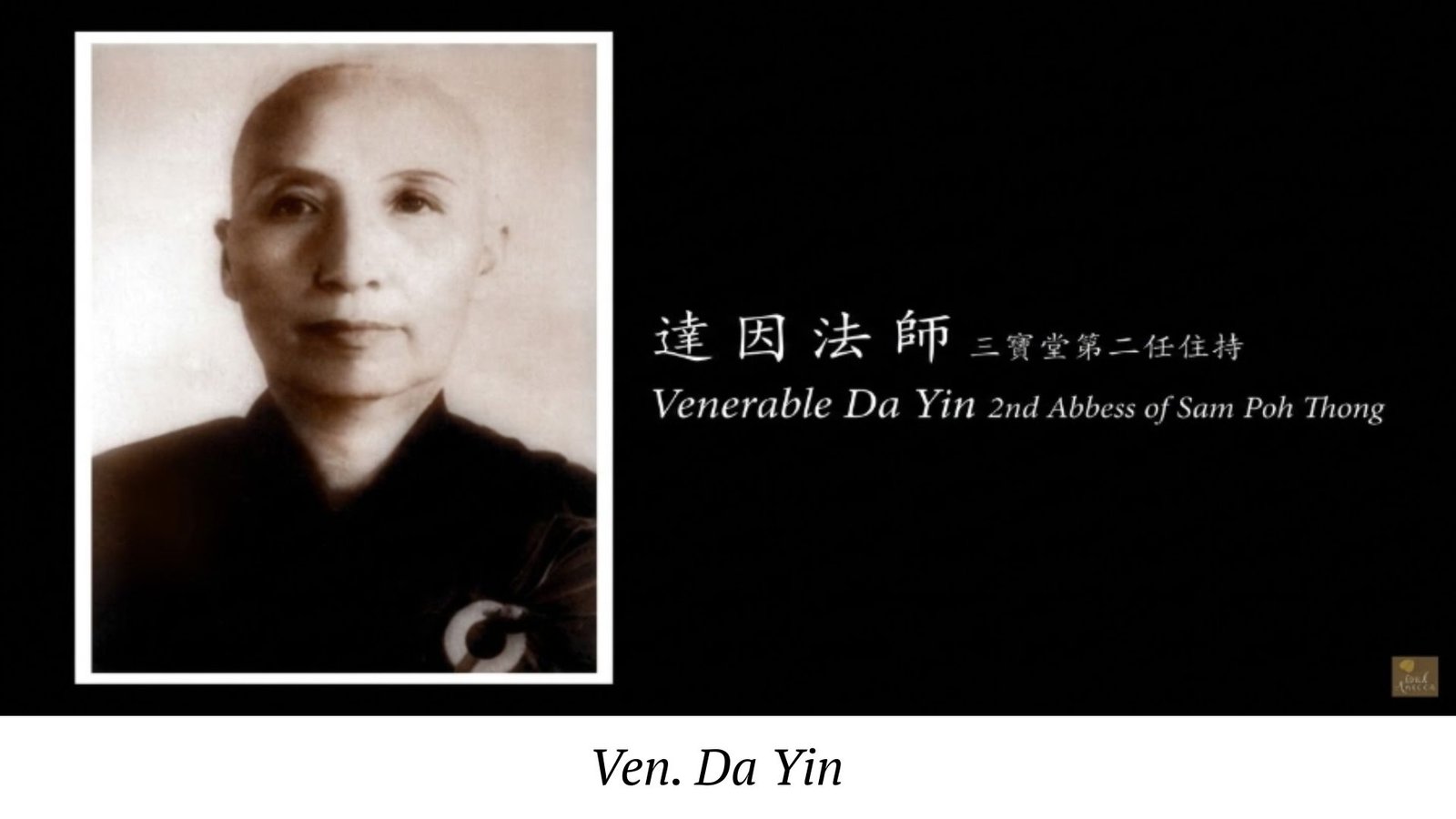
One notable incident occurred shortly after the relocation. A Justice of the Peace, Mr. Khoo Ching Kit, happened to pass by the temple and witnessed Venerable Da Yin sincerely carrying out her daily practices. Seeing that the temple hall still had only a bare earthen floor, he asked why it had not been cemented. Venerable Da Yin explained that the temple lacked the necessary funds. Mr. Khoo simply replied, “Go ahead and pave it,” before leaving.
Not long afterward, Mr. Khoo sent workers along with cement, sand, and stones to pave the floor of the temple. Venerable Da Yin’s sincerity, diligence, and unwavering dedication inspired the support of many devotees and laid a strong foundation for the future growth of the temple.
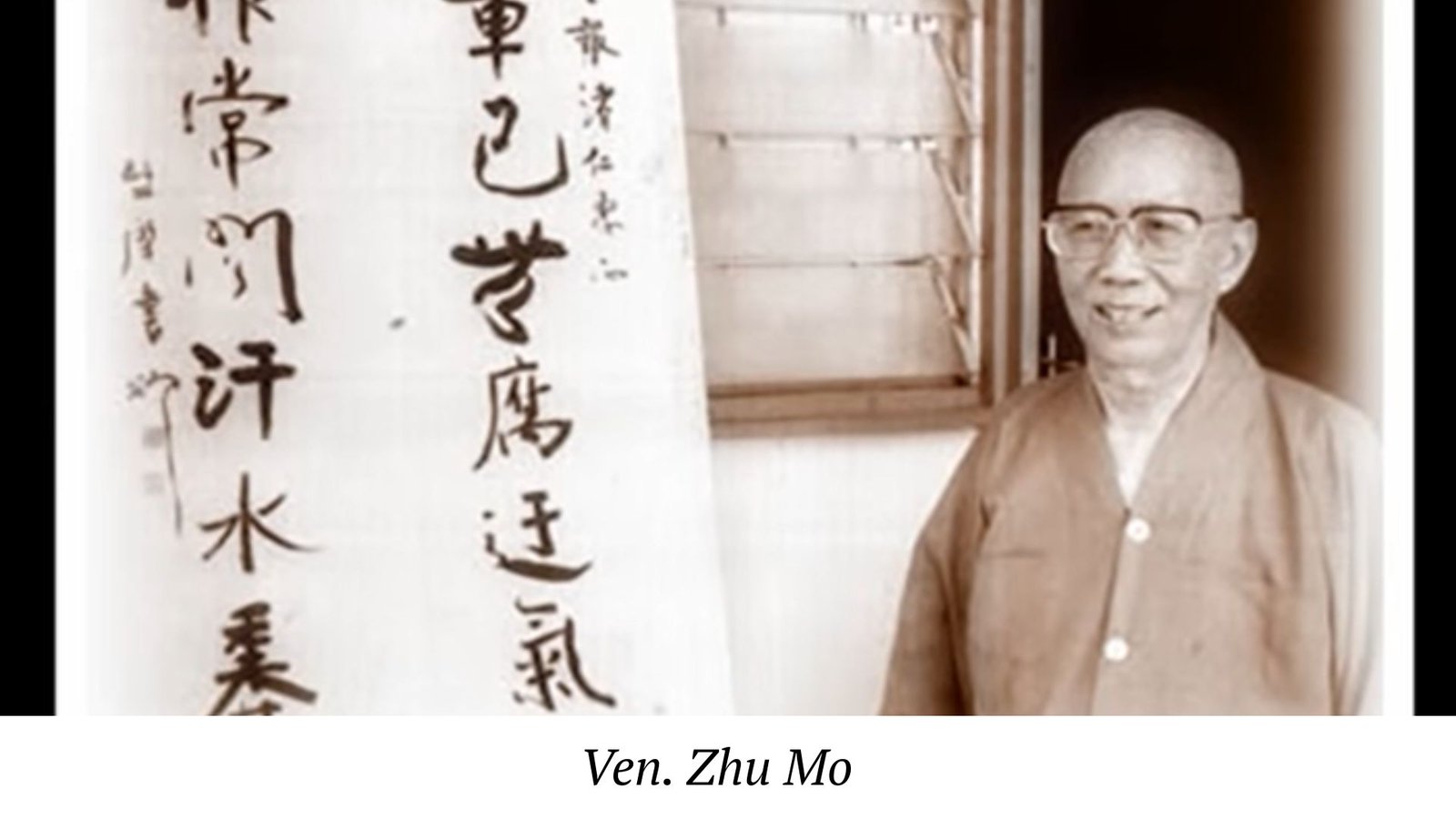
With the continued support of lay devotees, reconstruction of the Main Shrine Hall and Amitabha Hall began in 1961 under the leadership of Venerable Da Yin. The rebuilding was completed successfully, and on 19 August 1962, a grand consecration ceremony was held. Venerable Zhu Mo was invited to officiate the ceremony, deliver Dharma teachings, and serve as the temple’s permanent spiritual advisor. It was also during this period that the temple was officially renamed Sam Poh Thong Temple, symbolizing a place dedicated to authentic Buddhist faith and practice.
In its early years, the temple’s primary activities included conducting Dharma services for the deceased as well as organizing celebrations for Guanyin Festival, Wesak Day, and other major Buddhist occasions. Venerable Da Yin frequently gave Dharma teachings to devotees, helping many find comfort and guidance in their lives. She was deeply respected by both her disciples and the local villagers.
Venerable Da Yin also showed great care for children and was often seen interacting with young people in the village. In 1973, she established a Children’s Sunday Dharma Class to provide Buddhist education for the younger generation. Although the class was discontinued in 1976 due to a shortage of manpower, it planted an important seed for the temple’s future educational direction.
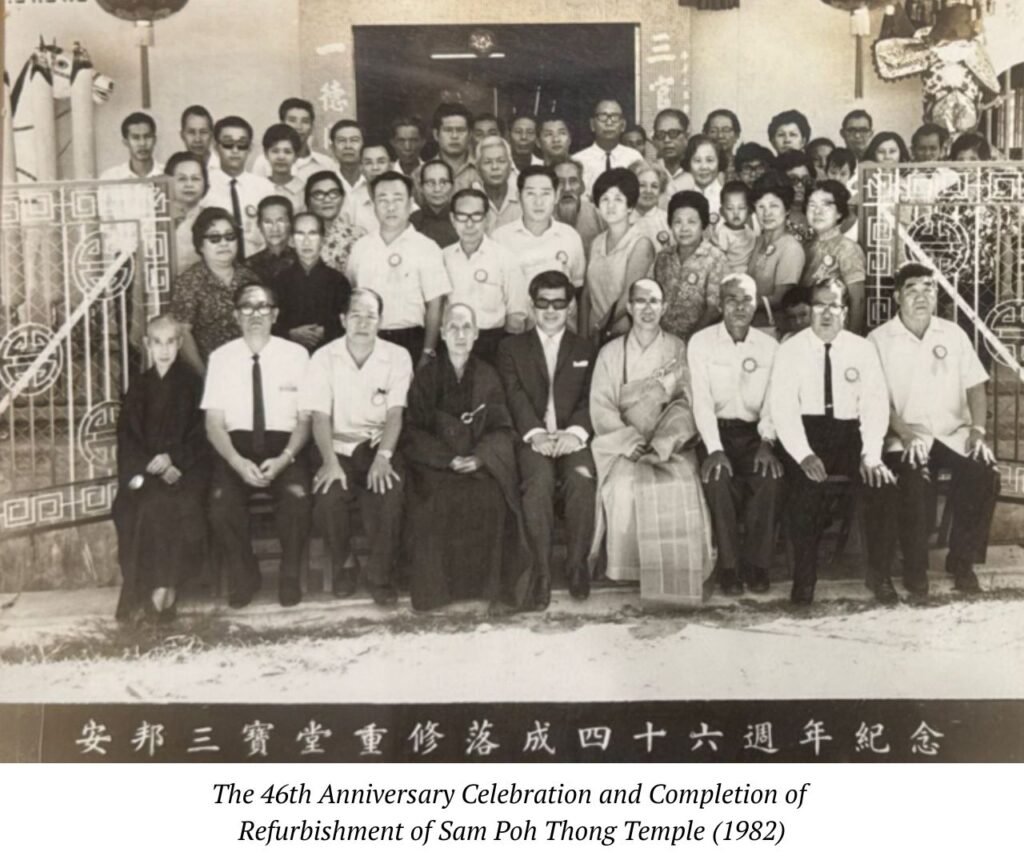
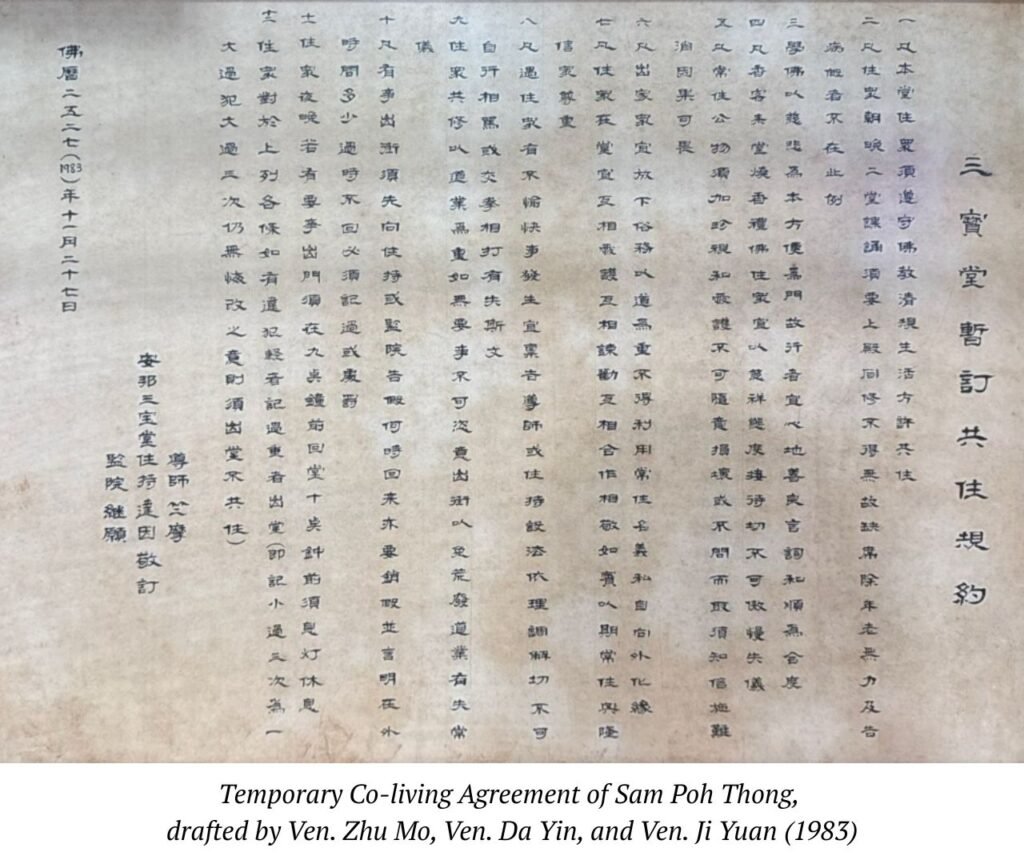
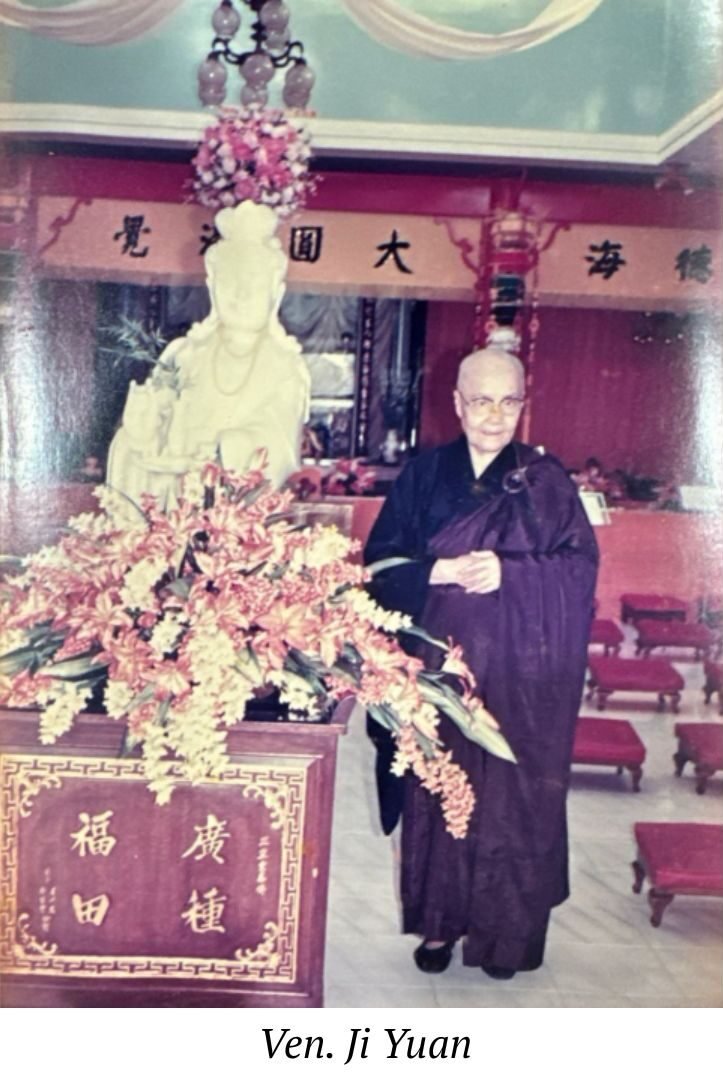
On 6 December 1987, Venerable Da Yin peacefully passed away. She was succeeded by Venerable Ji Yuan as the third Abbess of Sam Poh Thong Temple. Prior to this, Venerable Ji Yuan had served as the temple supervisor and assisted Venerable Da Yin during the temple’s second phase of reconstruction. Following her appointment as Abbess, Venerable Ji Yuan continued the temple’s tradition of simplicity, diligence, and compassionate service.
Deeply committed to charitable work, Venerable Ji Yuan took in elderly individuals who had no family support or place to stay. At one point, around ten elderly residents were cared for at Sam Poh Thong Temple under her supervision, with assistance from several hired caretakers.
On 4 September 2007, Venerable Ji Yuan passed away. During the mourning period, Venerable Sing Kan assisted the temple in various matters. After the funeral rites were completed, Venerable Ji Xiu (Kai Sau), the temple’s religious advisor, together with other supporters, recognized the need for dedicated leadership to guide the temple forward. At the same time, Venerable Sing Kan had a strong aspiration to promote Buddhist education. Both parties soon reached a mutual understanding, and Venerable Sing Kan was appointed as the fourth Abbess of Sam Poh Thong Temple.
Having studied in Sri Lanka, Venerable Sing Kan was passionate about Buddhist education, particularly for children and youth. Under her leadership, the Sunday Dharma Class was revived, and various educational and co-curricular activities were introduced, including English classes, singing, dancing, martial arts, and Korean language classes. These initiatives aimed to provide students with holistic opportunities for growth and development. Over time, the number of students increased from approximately 50 to more than 150.
At the same time, the temple actively encouraged parents to participate in Dharma learning and community activities, fostering a wholesome family and community environment grounded in Buddhist values.
In June 2014, the Sam Poh Thong Youth Group was officially established under the name Sparta Bodhi Youth Group, bringing renewed energy, vitality, and hope to the temple community.
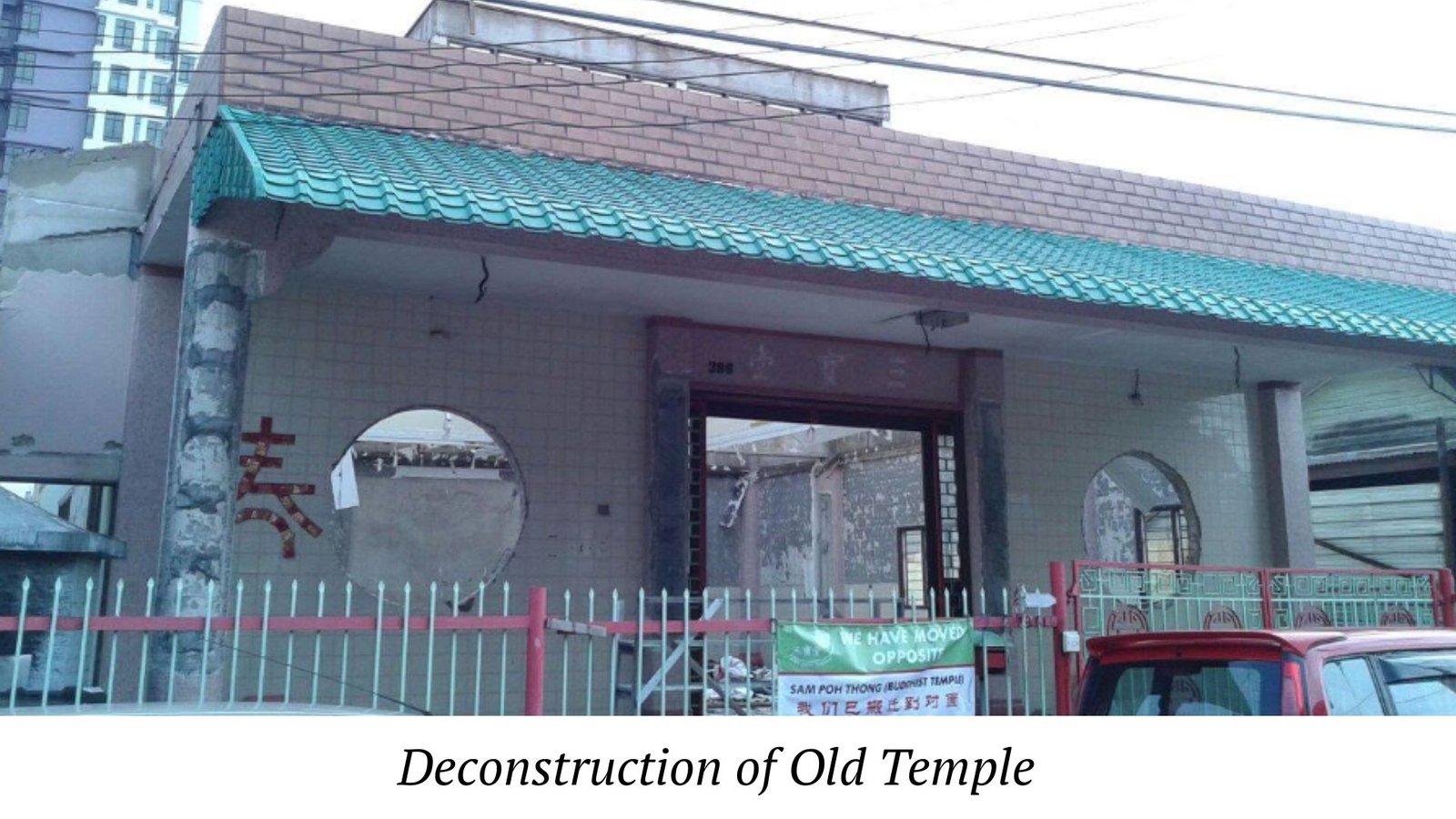
In 2015, under the leadership of Venerable Sing Kan, Sam Poh Thong Temple began a major reconstruction project. One of the main reasons for the reconstruction was the growing need for a more suitable environment to support the temple’s expanding educational activities. At that time, classroom spaces were extremely limited, with some classes being separated only by curtains within the same hall. In addition, the old building frequently experienced roof leaks and flooding during heavy rain.
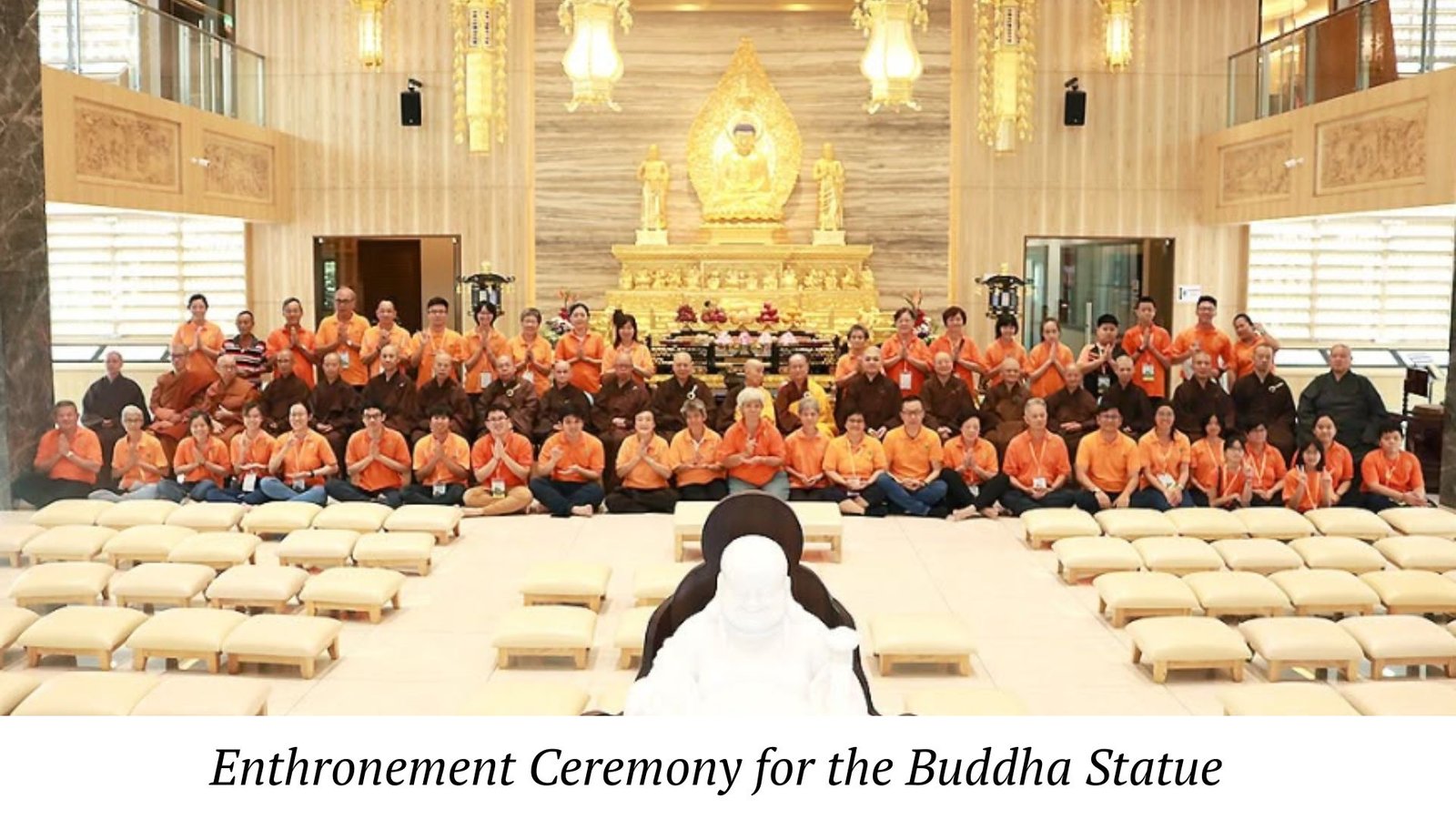
Recognizing these limitations, Venerable Sing Kan believed that a more conducive and well-equipped environment was necessary in order to better fulfill the temple’s vision and mission, especially in the area of Buddhist education. Thus, the reconstruction project was officially launched in 2015, and the new building was successfully completed and opened in 2020.
However, shortly after the opening, the COVID-19 pandemic and Movement Control Order (MCO) began. Despite these challenges, Sam Poh Thong Temple remained committed to its educational mission. The Sunday Dharma School continued its classes through online platforms, ensuring that students could still receive Dharma education and maintain their connection with the temple during difficult times.
During this period, many former students of the Sunday Dharma School, as well as members of the Sparta Bodhi Youth Group, had grown into young adults and began actively contributing back to the temple. They took on important roles in supporting temple activities, organizing events, and assisting in the development of the Sunday Dharma School.
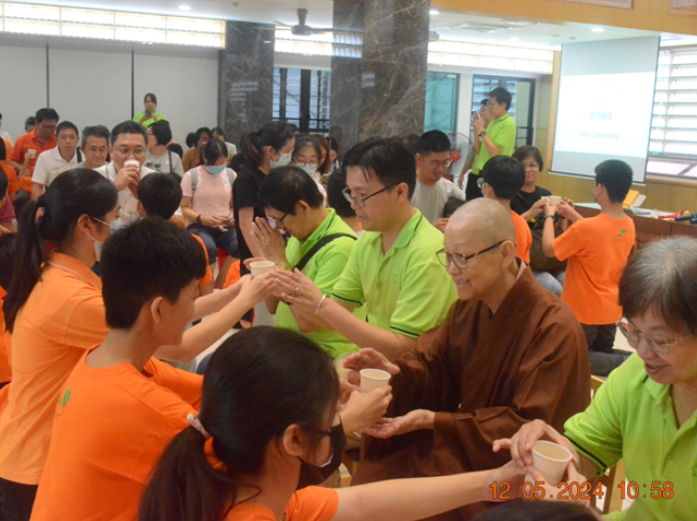
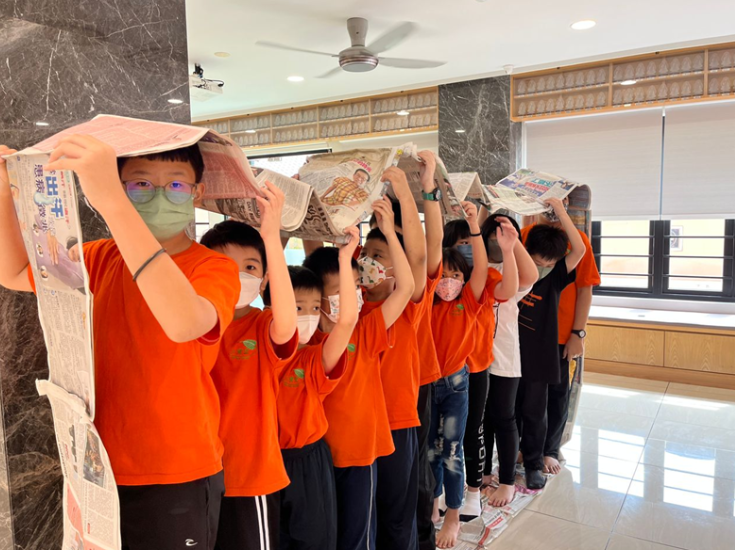
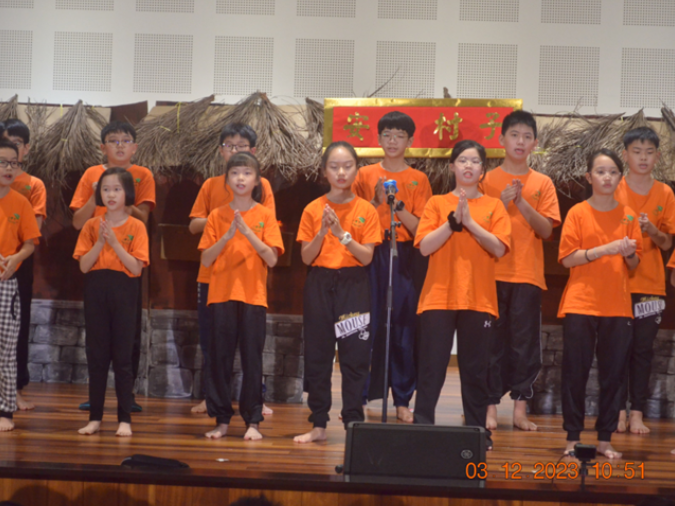
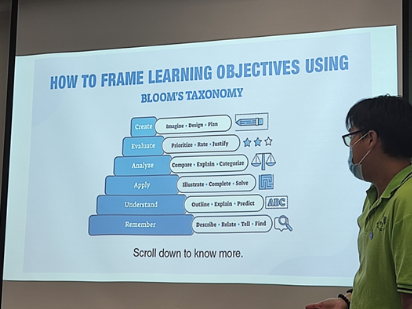
At the same time, while continuing to appreciate and preserve the legacy established by Venerable Sing Kan and earlier generations of teachers, the temple also underwent significant transformation and growth in its educational direction and management system. The educational philosophy gradually evolved to place greater emphasis not merely on academic achievement, but on life education, character building, and the spiritual growth of students.
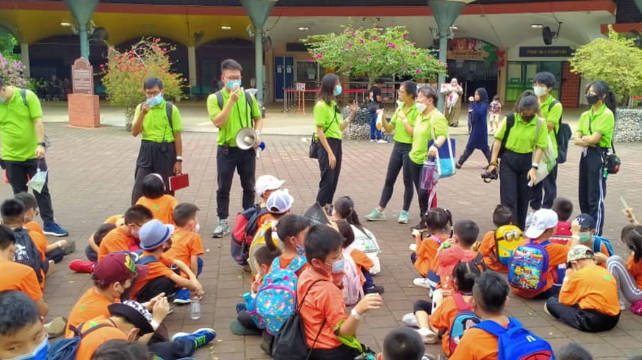
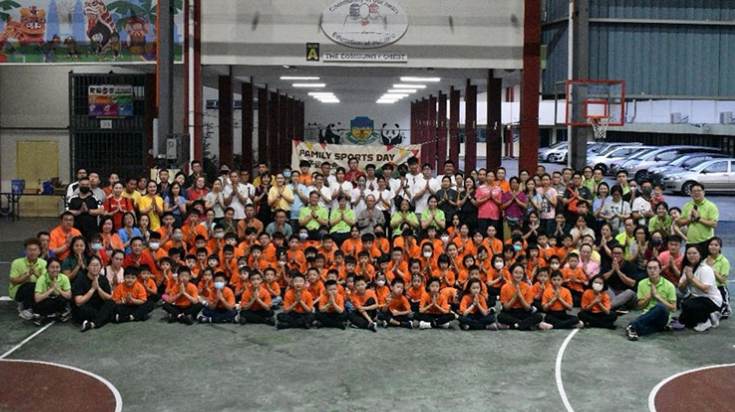
Today, Sam Poh Thong Temple continues to uphold its spirit of education and Dharma propagation by organizing a wide range of activities that connect devotees of all ages with the Triple Gem. In addition to programmes for children and youth, the temple also conducts activities for adults, including group cultivation, Eight Precepts retreats, meditation programmes, Dharma classes, and various community-based learning activities. Through the dedication of its Sangha members, teachers, volunteers, youth, and devotees, Sam Poh Thong Temple continues to grow as a centre of Buddhist education, spiritual cultivation, and compassionate service to the community.