Joint Engagement Session Strengthens Guidelines for Public Fish Release to Protect River Biodiversity
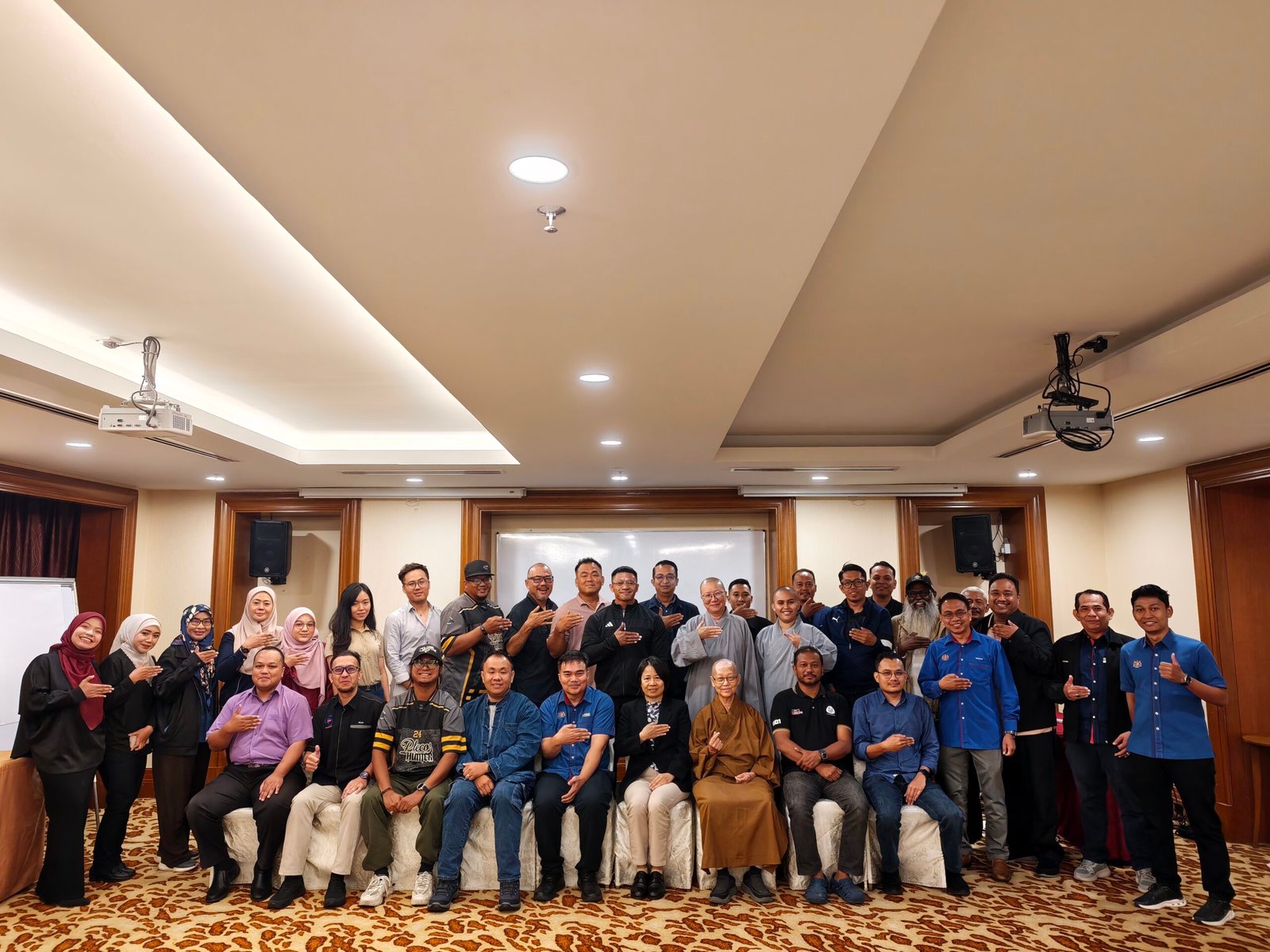
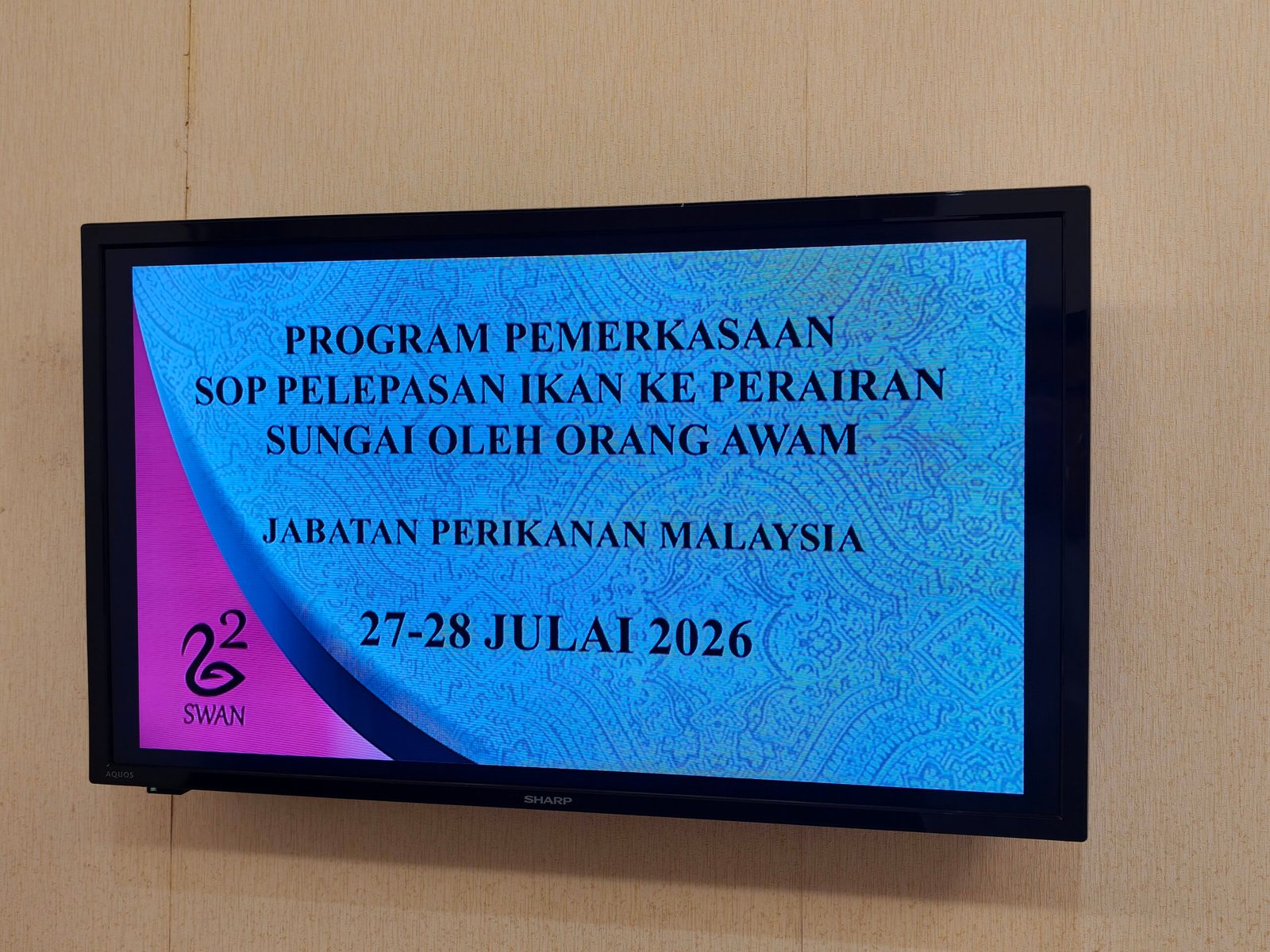
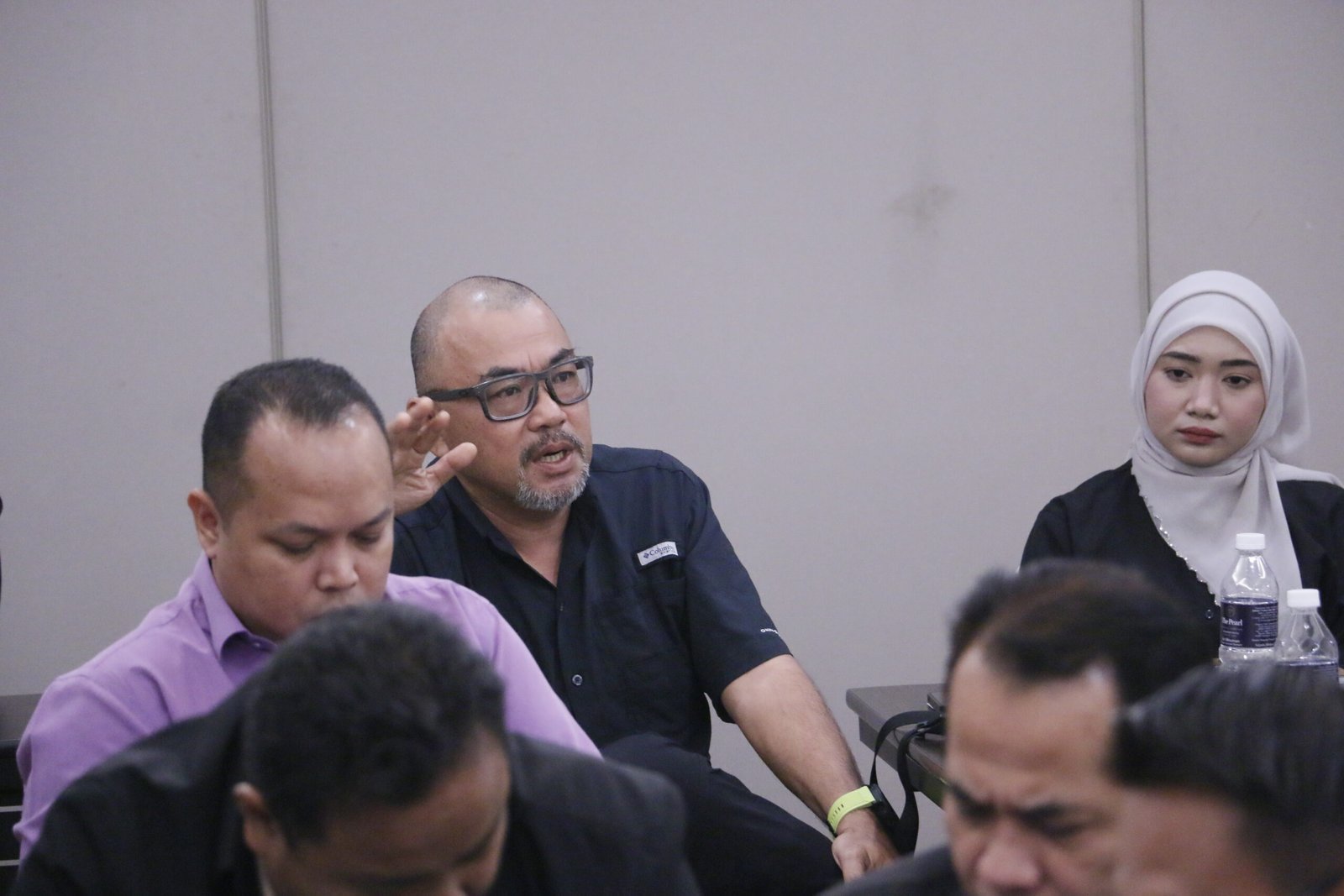
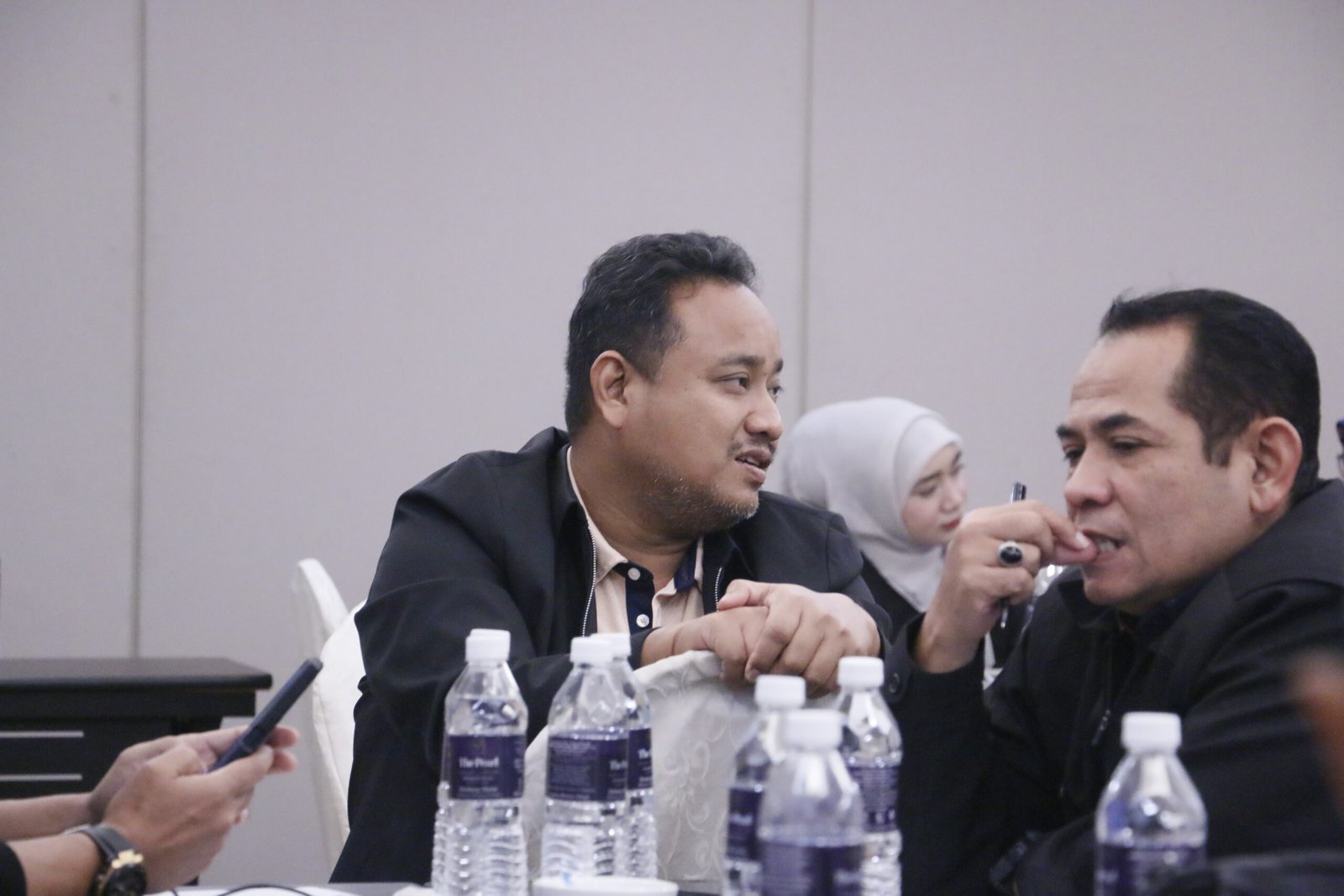
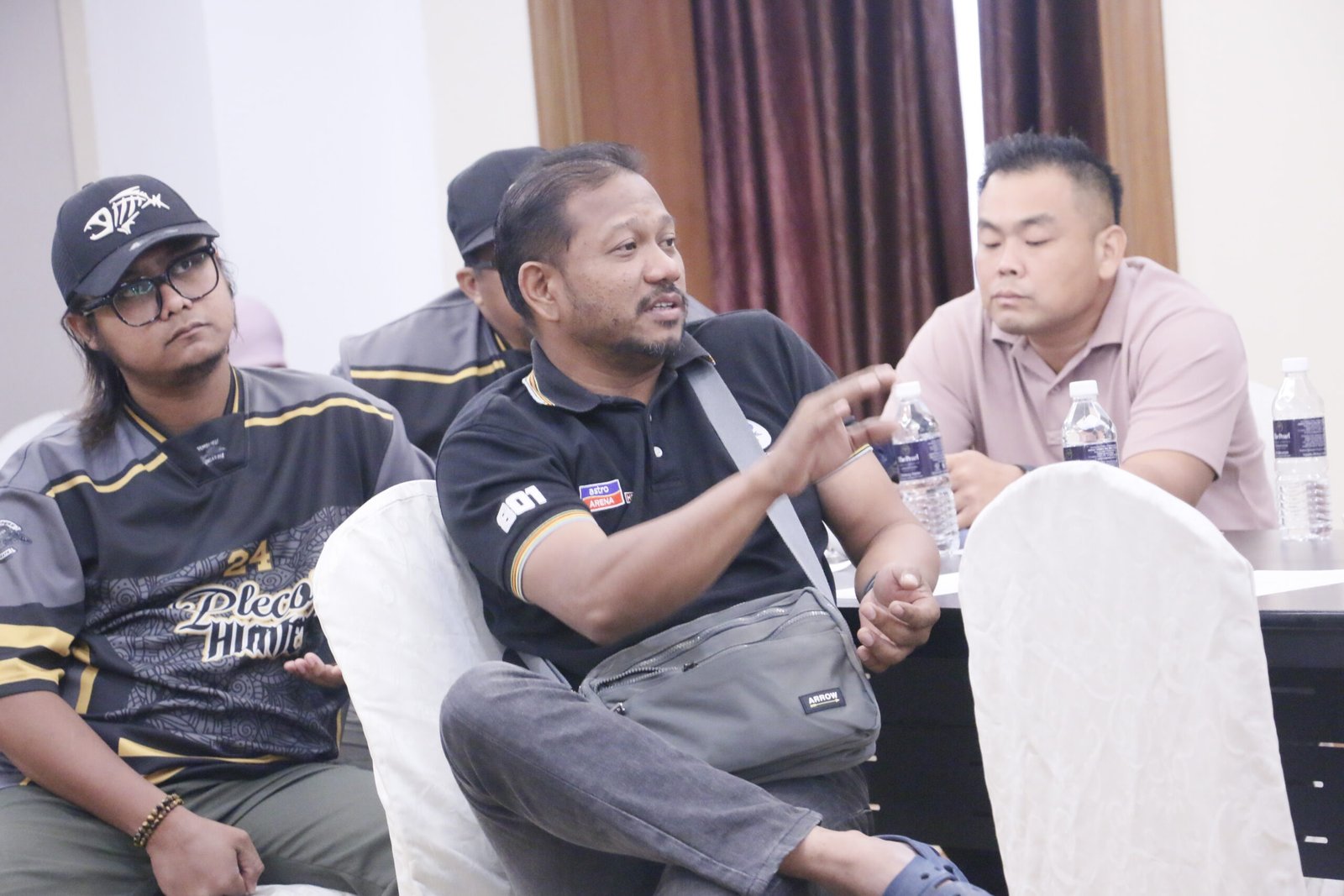
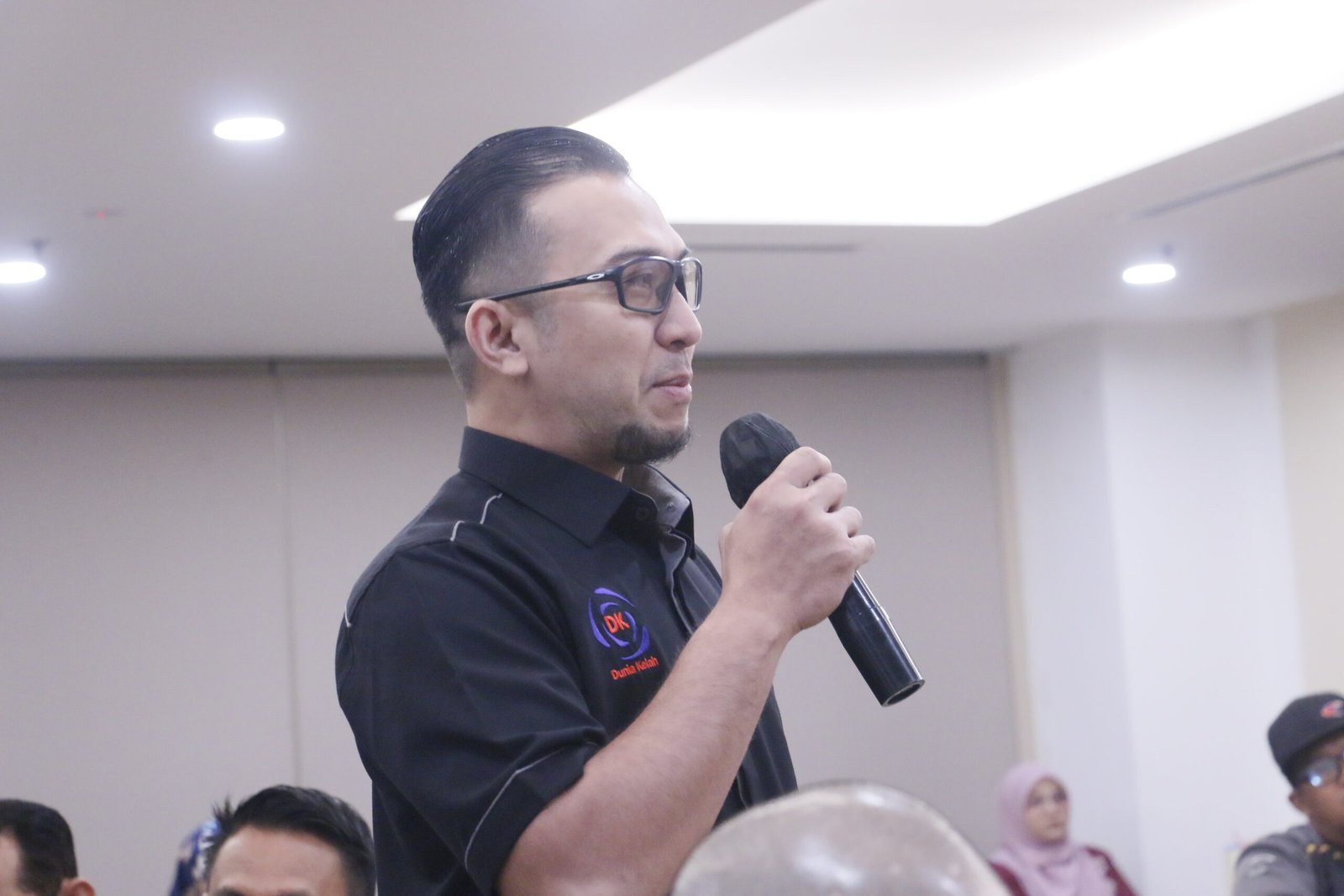
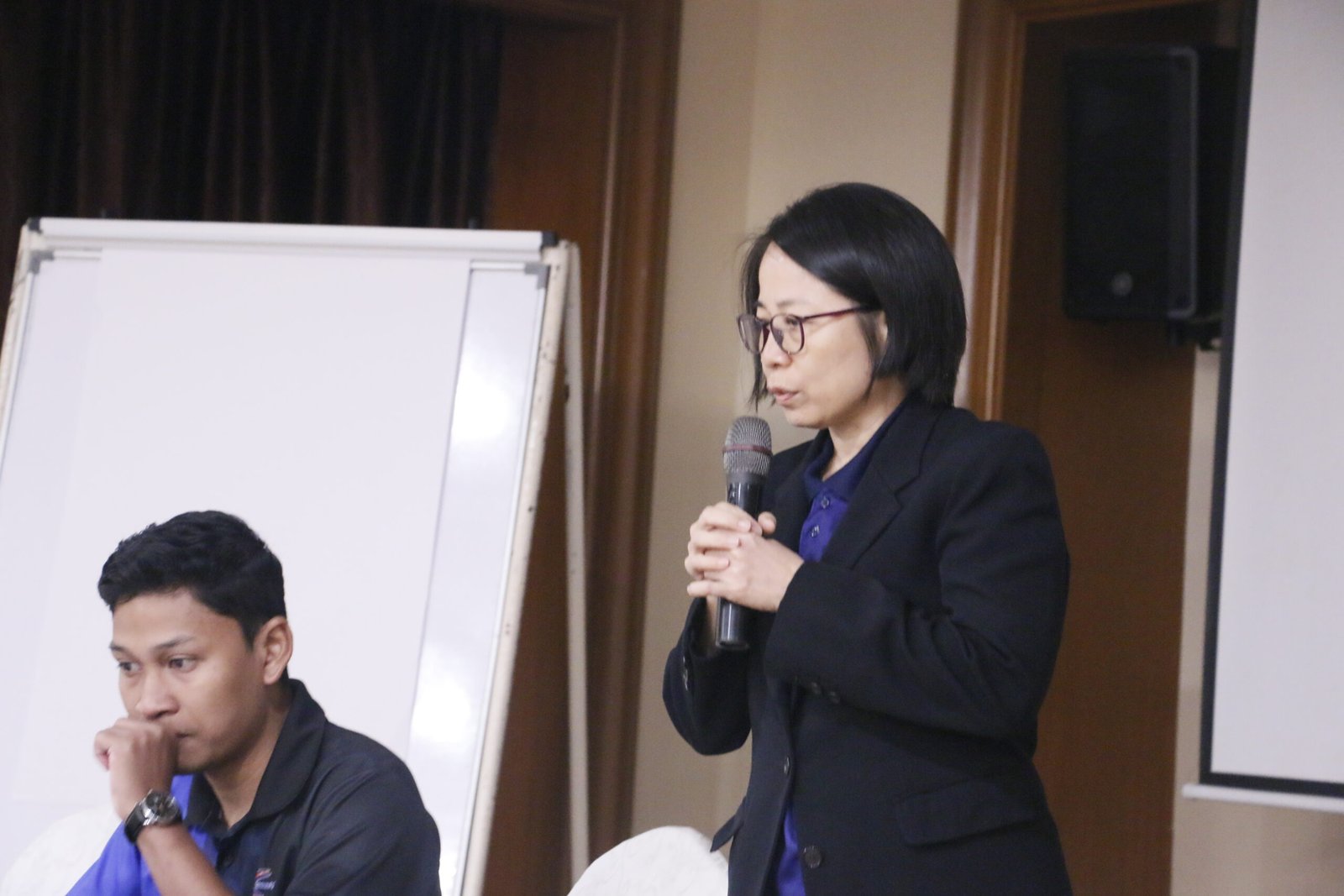
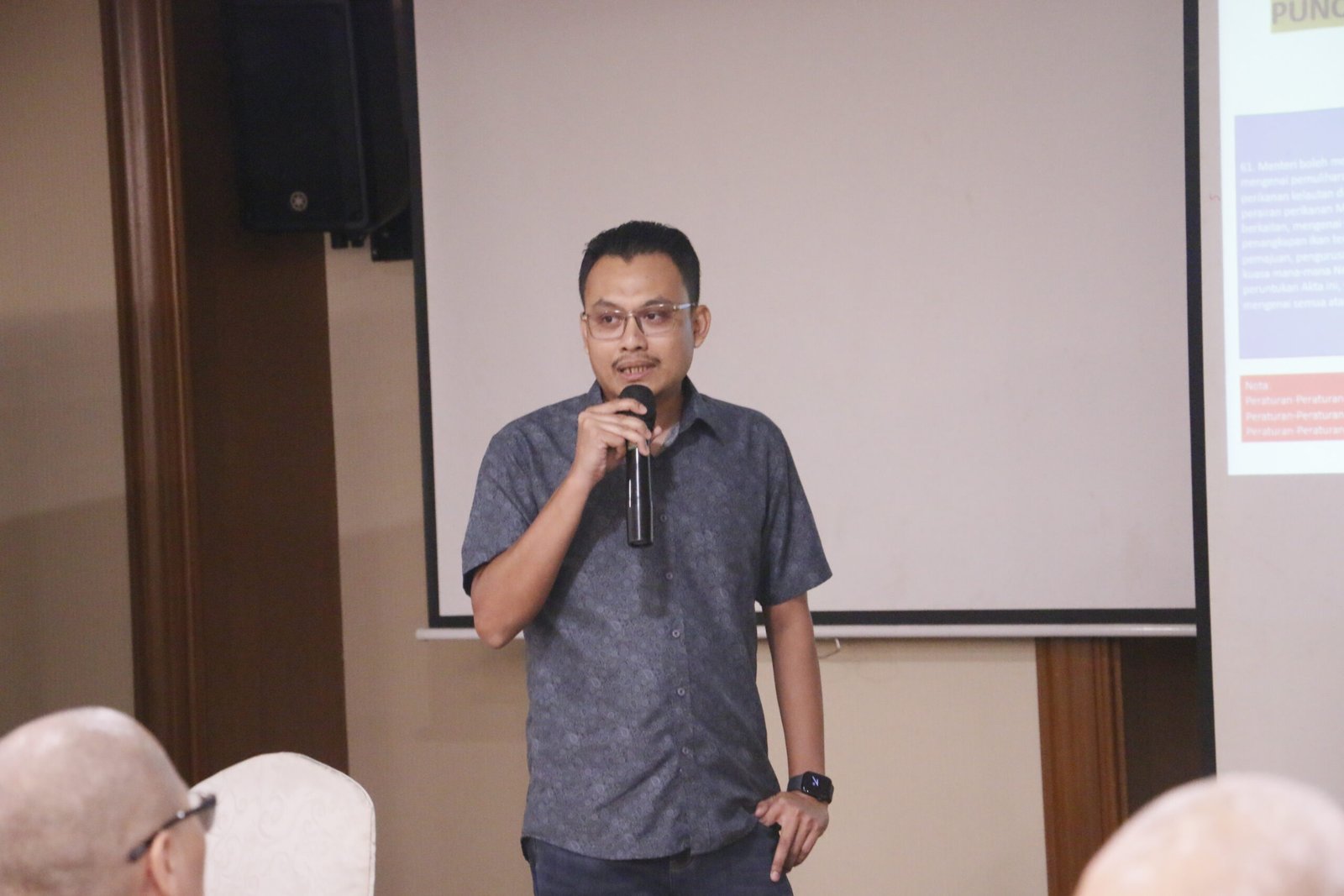
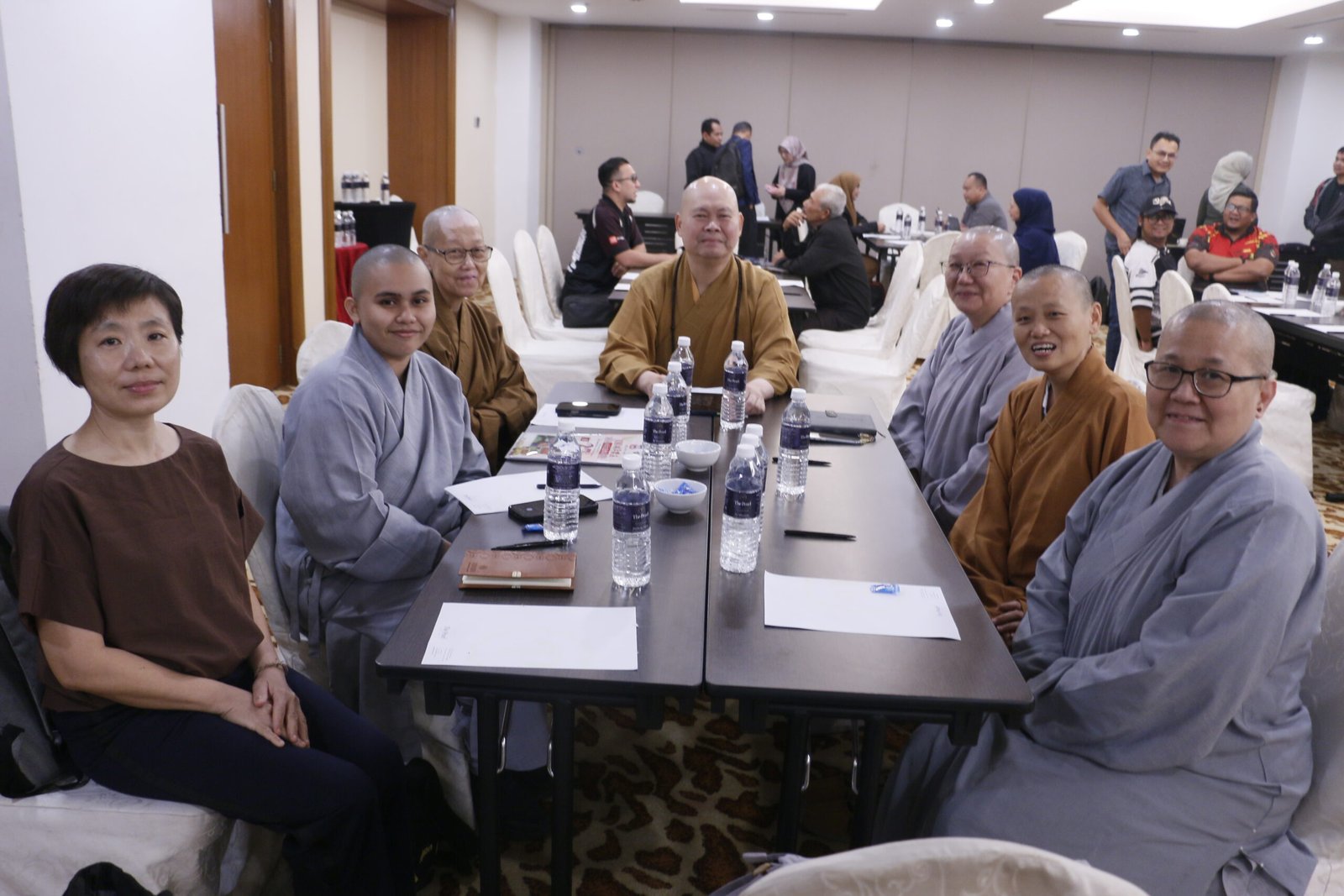
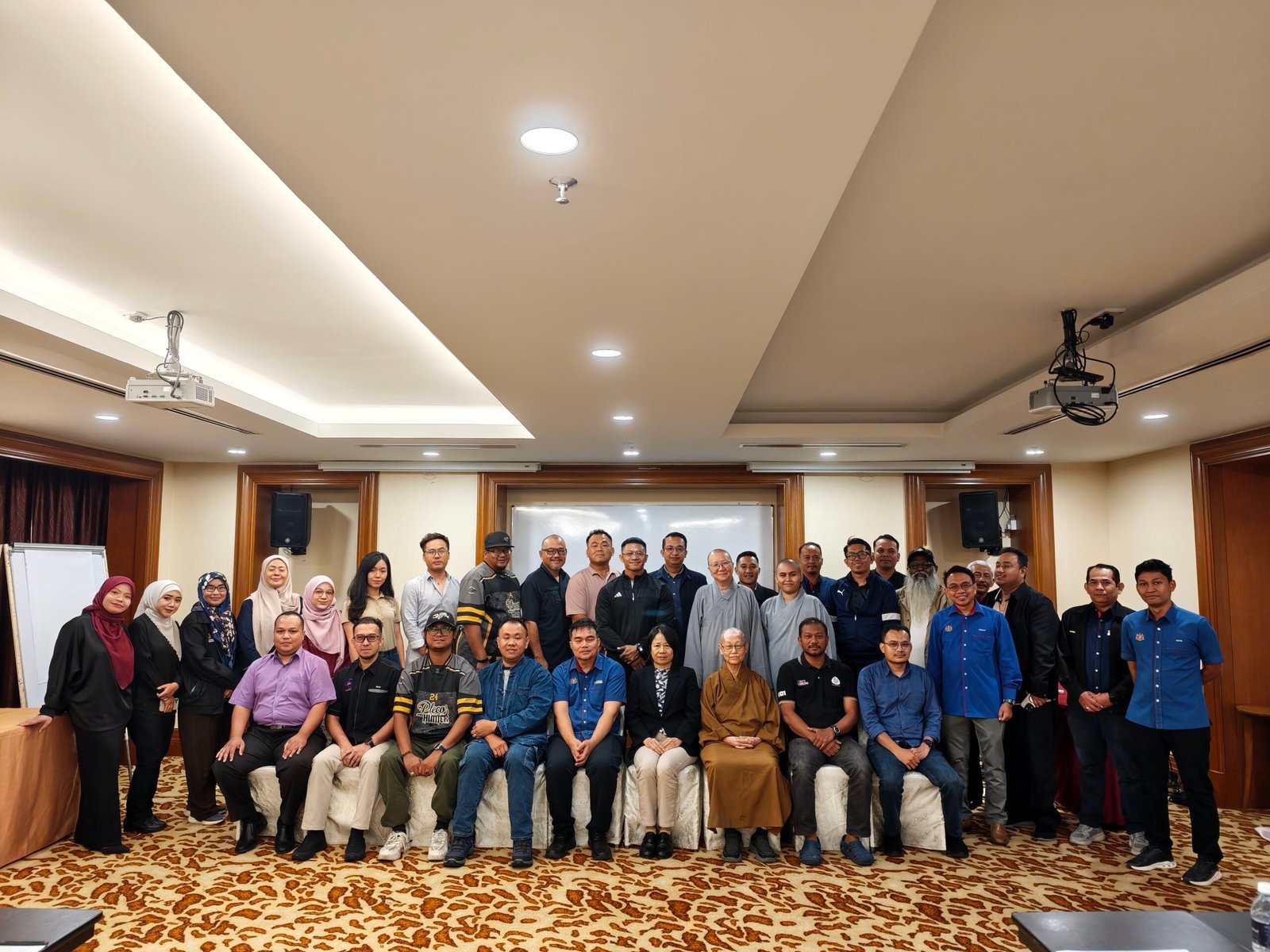
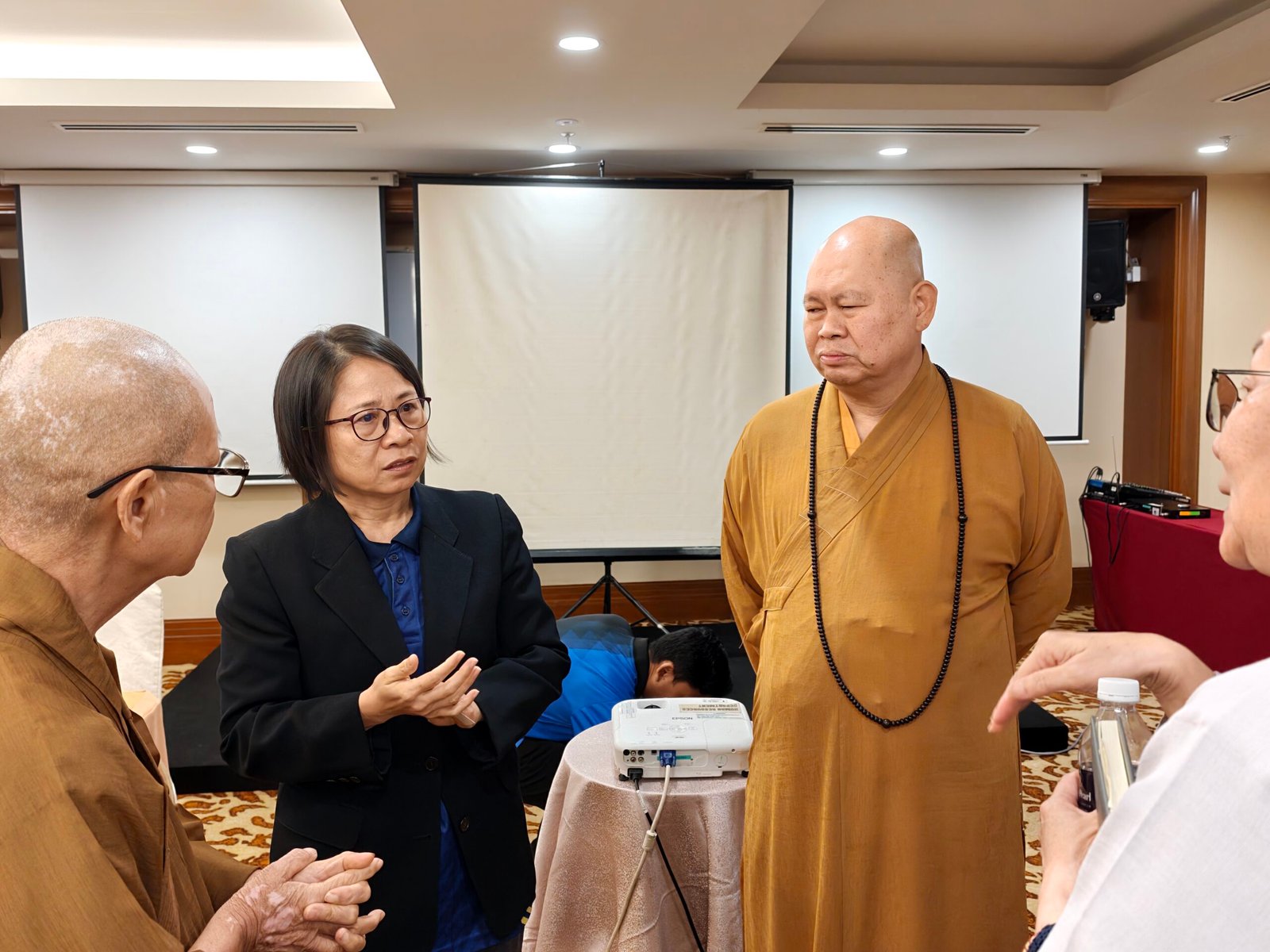
KUALA LUMPUR— On July 27 and 28, 2026, leadership representatives from the Malaysian Buddhist Association (MBA) and the Malaysian Buddhist Bhikkhuni Association (MBBA) participated in a joint engagement session organized by the Department of Fisheries Malaysia (Jabatan Perikanan Malaysia / DOF). The two-day conference, titled Program Pemerkasaan SOP Pelepasan Ikan ke Perairan Sungai oleh Orang Awam (Empowerment Program for Standard Operating Procedures on Fish Release into River Waterways by the Public), was held at The Pearl Kuala Lumpur along Jalan Klang Lama.
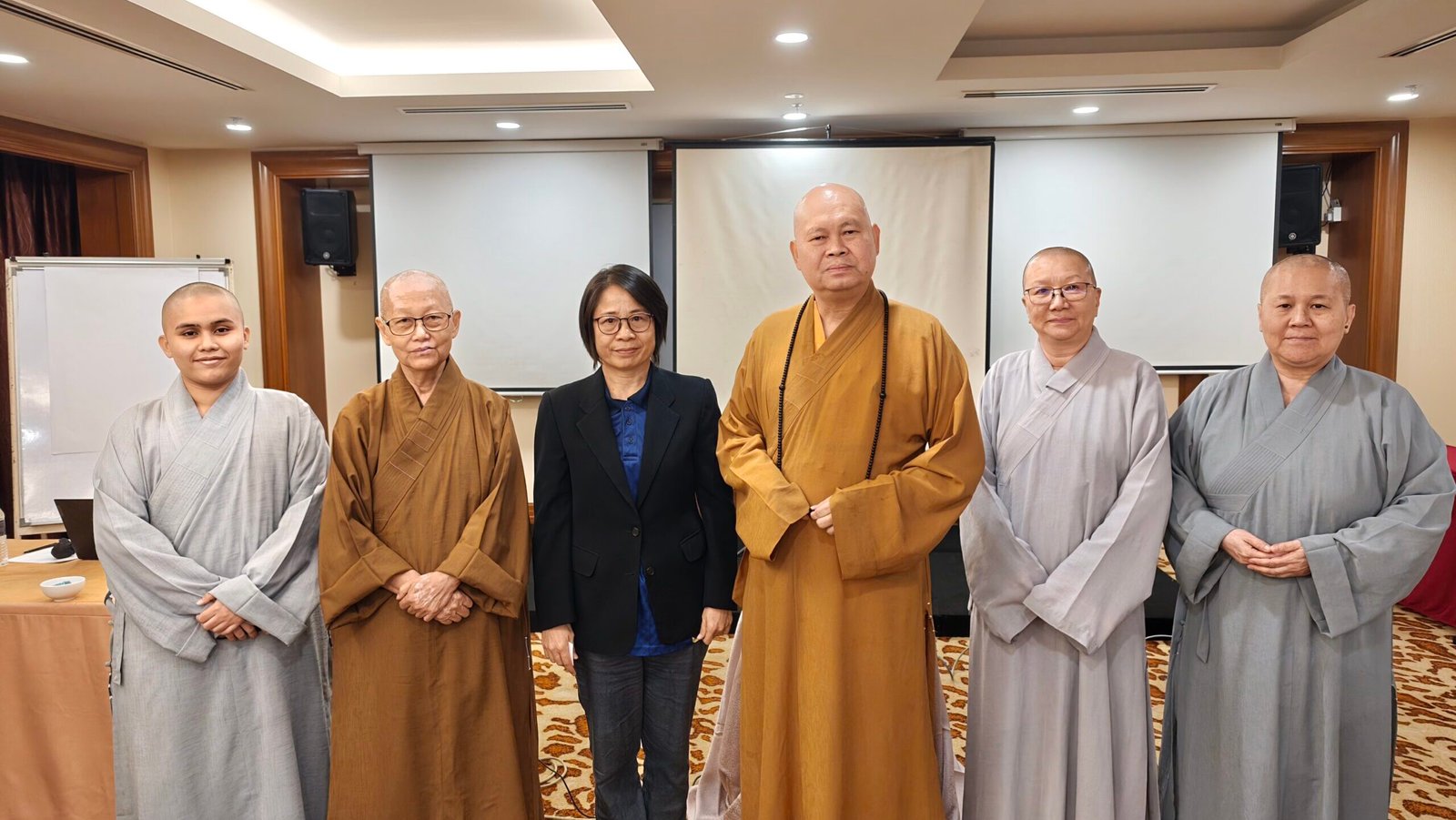
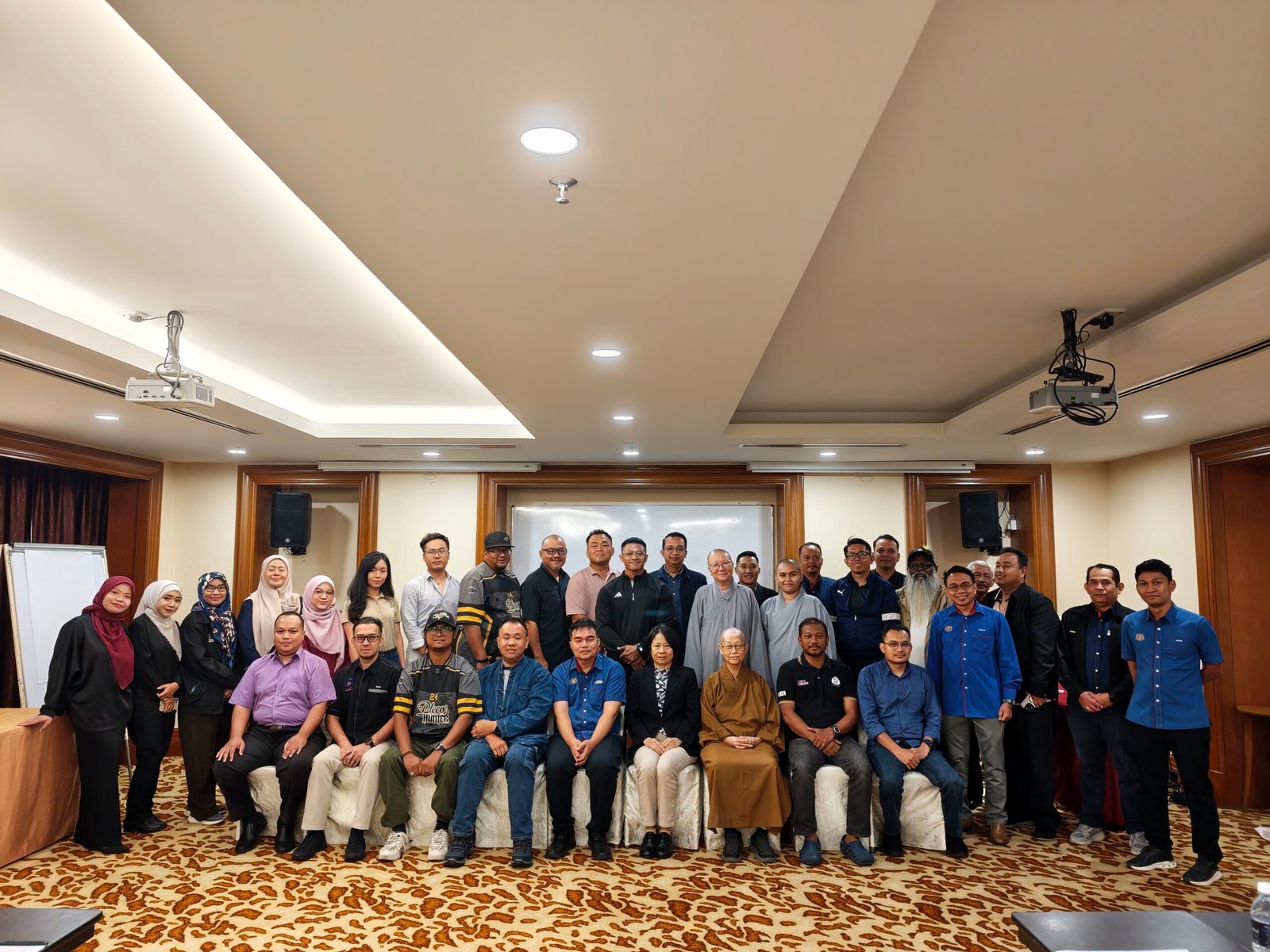
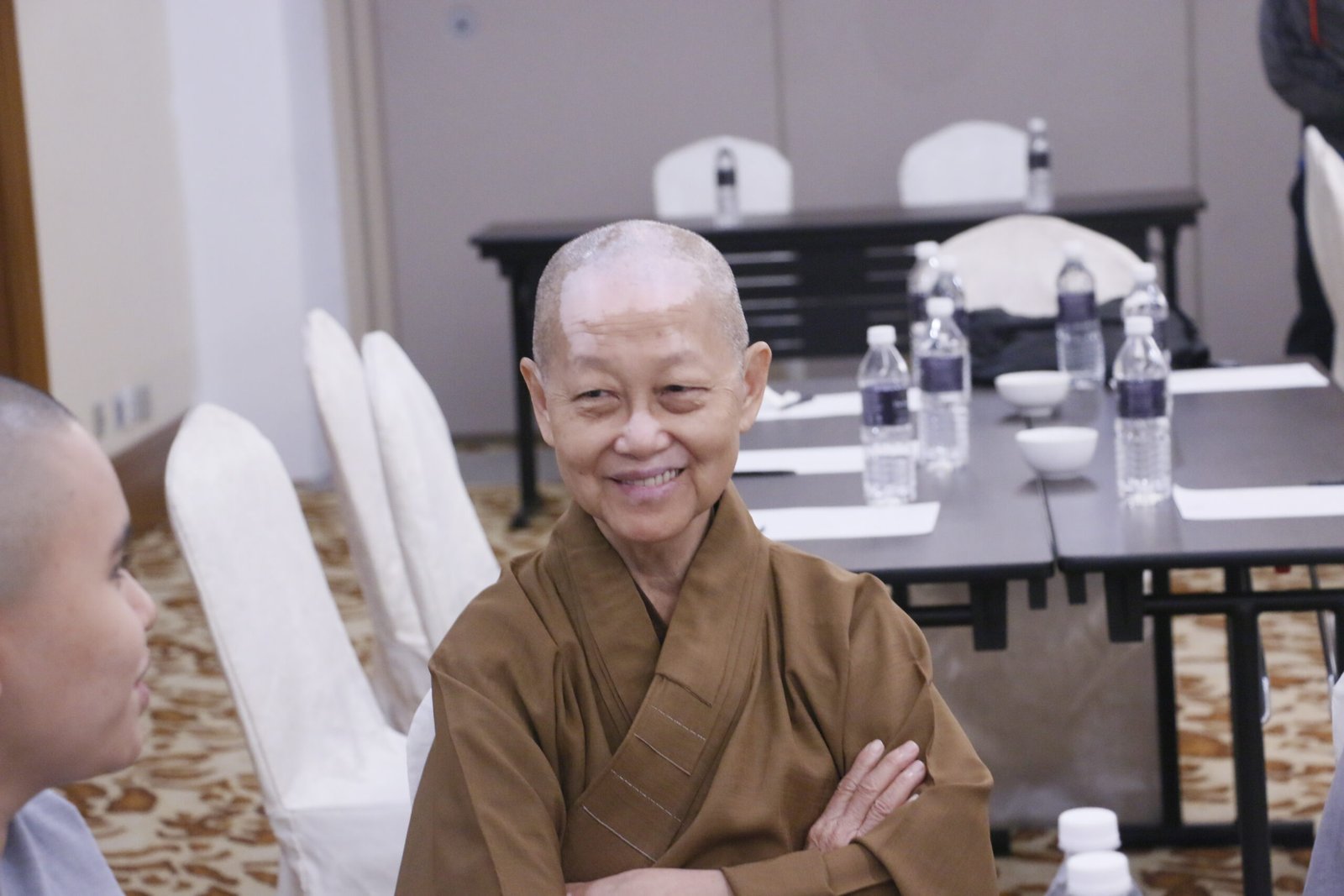
The delegation representing the Buddhist community included Venerable Ming Ji, President of the Malaysian Buddhist Association (Kuala Lumpur & Selangor Division), Venerable Sing Kan, President of the Malaysian Buddhist Bhikkhuni Association, and Venerable Chang Lan, Vice President of the Malaysian Buddhist Bhikkhuni Association. Hosted by the Inland Fisheries Resources Division of the Department of Fisheries, the engagement brought together state and headquarters fisheries officers, researchers, representatives from the Skuad Pemburu Ikan Asing (SPIA), the Malaysian Anglers Association (PPSM), hatchery associations, and ornamental fish business owners to refine government release protocols
Technical Briefings on Invasive Species and Aquatic Biosecurity
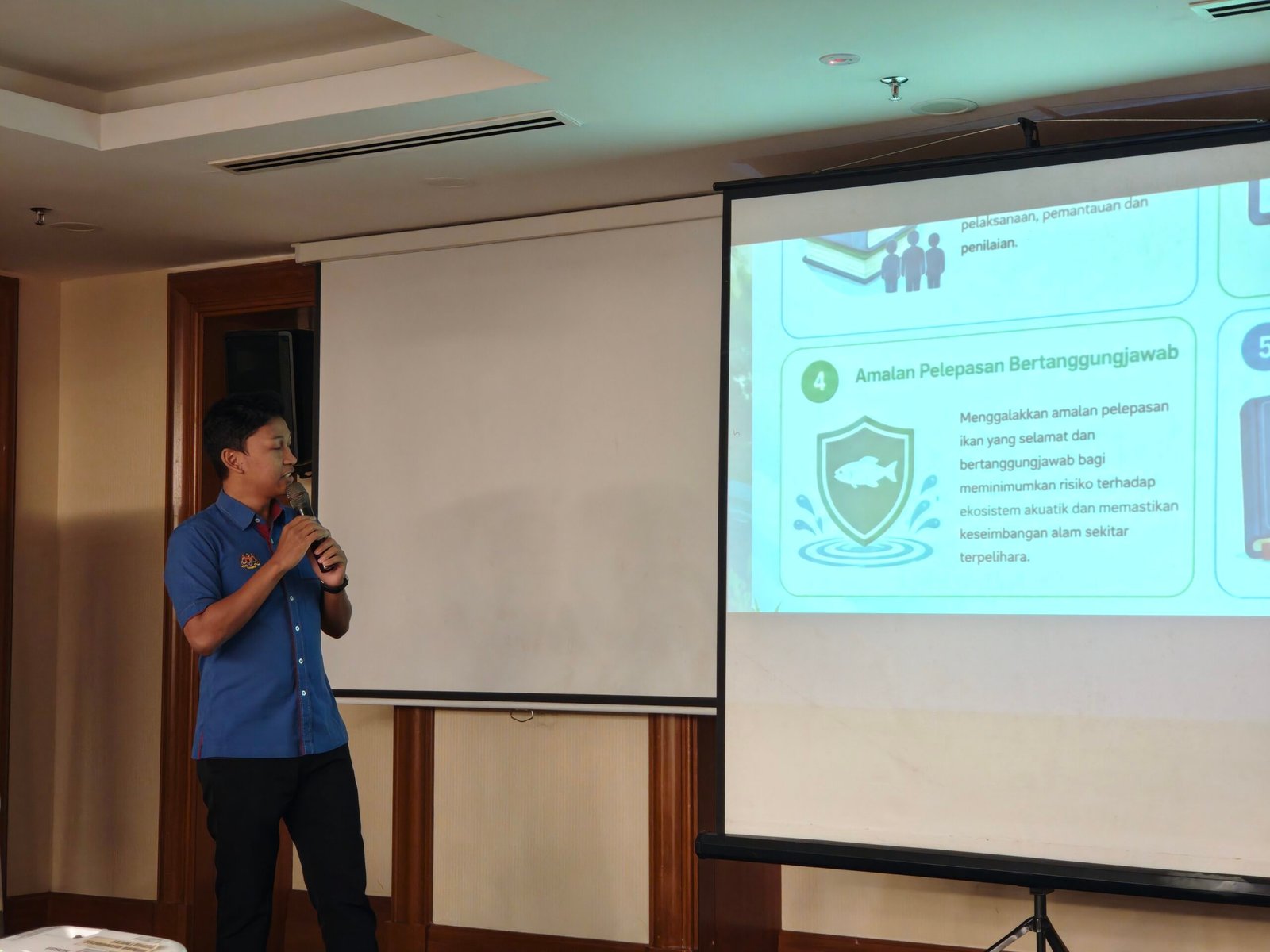
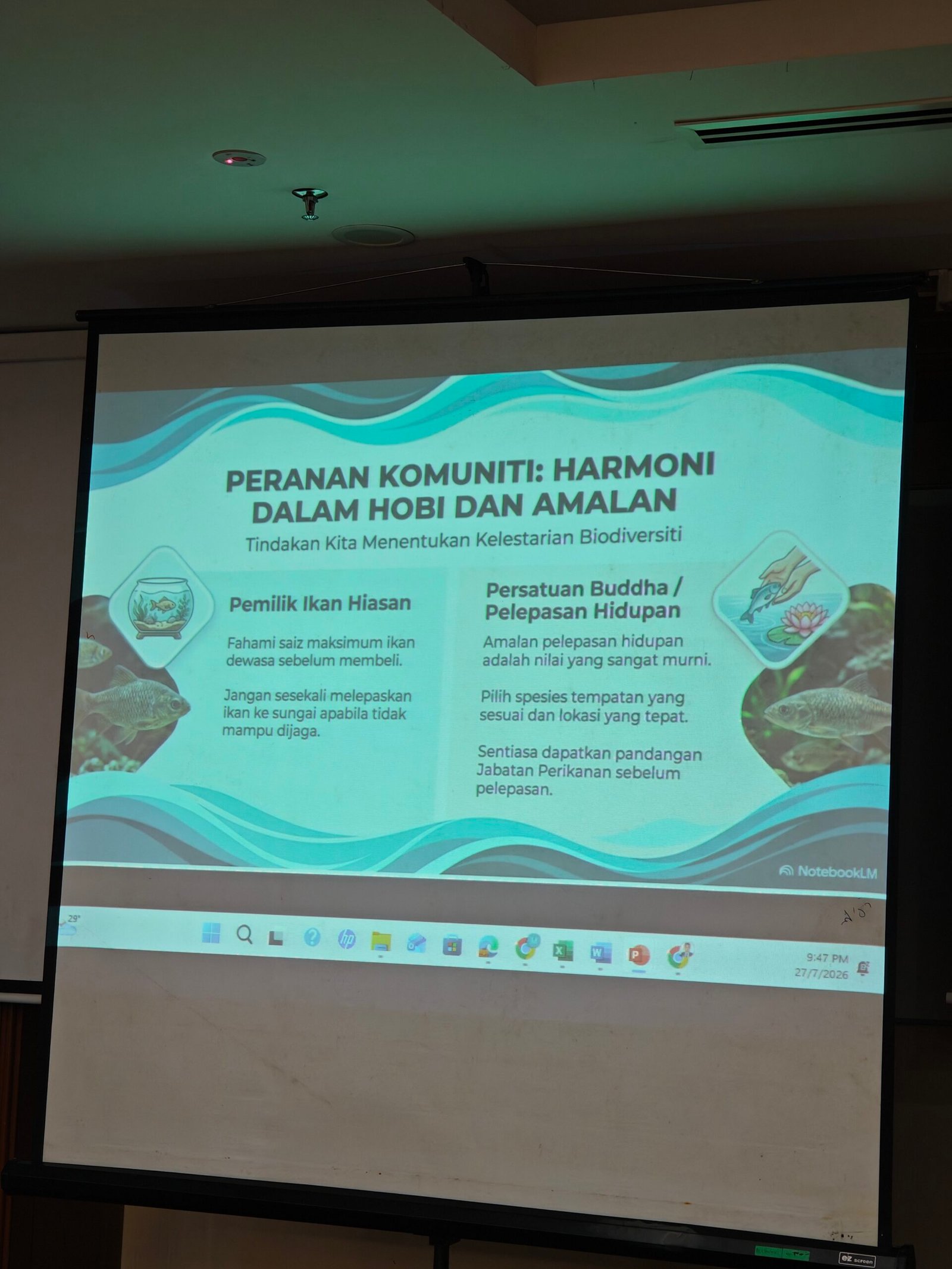
The first evening session on July 27 featured specialized briefings from technical divisions detailing the environmental impacts of unregulated animal releases. Dr Chew, a researcher from the Fisheries Research Institute (FRI) in Glami Lemi, Negeri Sembilan, presented findings on how alien invasive species destabilize Malaysian river ecosystems. The presentation detailed how non-native species outcompete local fish for food, destroy natural spawning grounds, erode riverbanks, and introduce foreign pathogens into wild waterways.
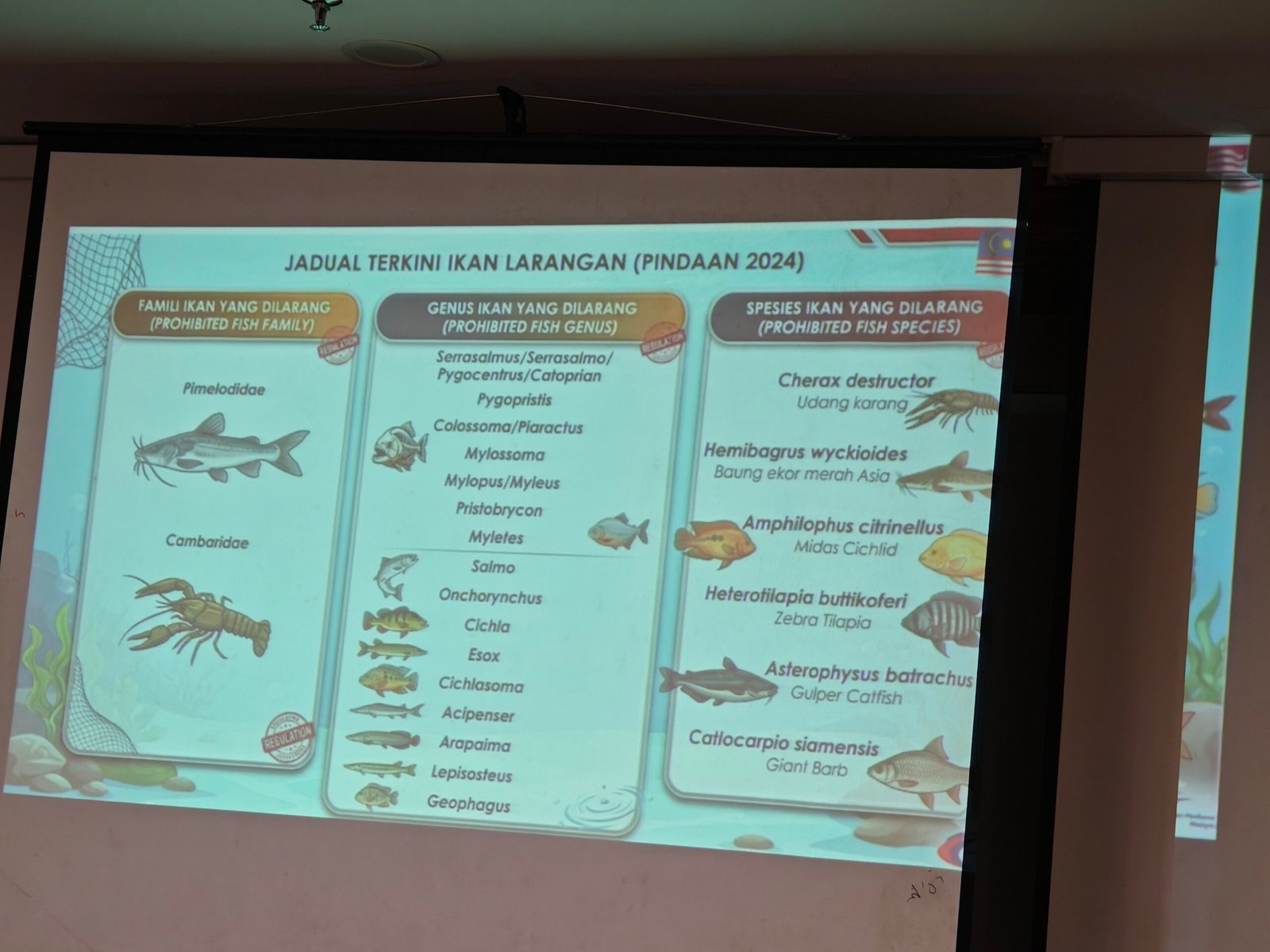
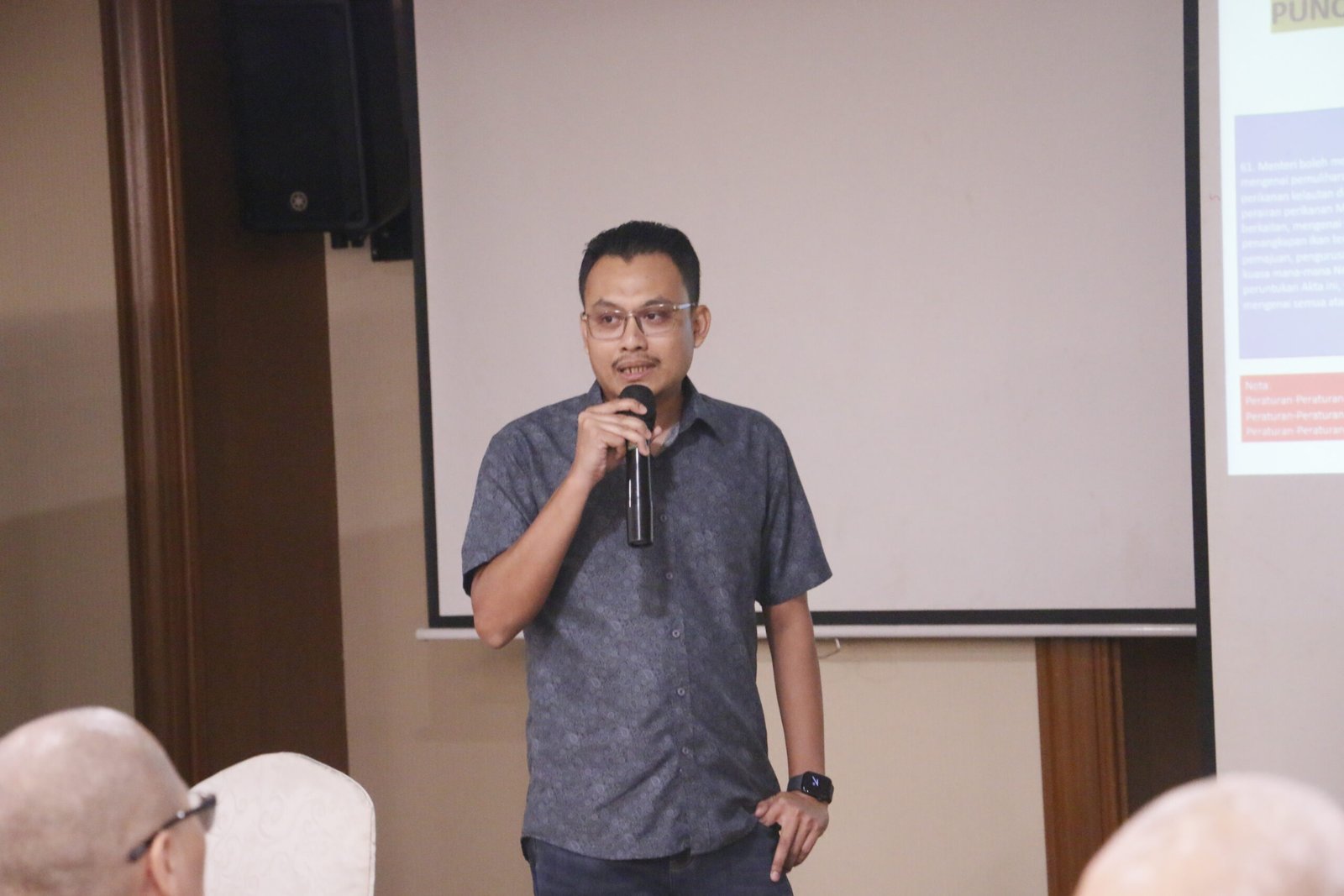
Following the ecological impact briefing, a officer from the Fisheries Biosecurity Division outlined the legal frameworks governing national biosecurity and explicitly identified strictly prohibited alien species. These prohibited species include the Pleco (Ikan Bandaraya), African Sharptooth Catfish (Ikan Keli Afrika), Asian and South American Redtail Catfish, Peacock Bass, Patin Chao Phraya, and Black Tilapia. On the morning of July 28, En. Hafis Jefri from the Inland Fisheries Resources Division presented the finalized draft workflow and permitted native species, opening the floor to dialogue among religious bodies, anglers, hatcheries, and vendors.
Strategic Consensus: Aligning Spiritual Compassion with Ecological Safety
Throughout the sessions, the Department of Fisheries emphasized that the core objective of the Standard Operating Procedures is not to restrict, ban, or penalize religious life releases (Fangsheng). Instead, the department seeks to partner with religious organizations and temple committees to transform public releases into regulated conservation projects that actively restock native fish populations and rehabilitate degraded river habitats.
From both regulatory and Buddhist perspectives, releasing animals without technical understanding in ways that lead to ecological harm or animal death directly contradicts the First Precept of protecting life. The joint committee reached a clear consensus: the MBA and MBBA acknowledge the necessity of official Department of Fisheries guidelines, as the true purpose of these regulations aligns with the spiritual duty to ensure the survival and well-being of both released animals and local biodiversity.
The collaborative framework centers on two core ecological pillars. The first pillar addresses the prevention of invasive foreign species disasters, replacing uninformed releases with verified species selection. The second pillar eliminates animal suffering and mass mortality caused by transport overcrowding, disease transmission, incorrect salinity conditions, or improper site selection that leads to bacterial blooms and die-offs.
Proposed Guidelines and Draft Operational Rules
While the guidelines remain under joint review prior to final policy endorsement, the proposed framework establishes systematic operational protocols. Under the draft guidelines, any individual or organization planning a public fish release must submit an official application through Borang Lampiran 5 or the MyFIRST portal to the State Fisheries Office at least 14 working days prior to the event. Fisheries officers will subsequently conduct site and water quality assessments before granting clearance.
The draft regulations restrict releases strictly to approved native species, such as Kelah, Tengas, Temoleh, Lampam Sungai, Baung, and Udang Galah, while strictly forbidding alien species. Furthermore, operational guidelines mandate that releases occur during cooler hours, specifically between 8:00 AM and 10:00 AM or 4:00 PM and 6:00 PM, incorporating a mandatory 15-to-30-minute water temperature acclimatization process to prevent temperature shock and stress in the released fish.
Key Interventions and Constructive Proposals by Buddhist Leaders
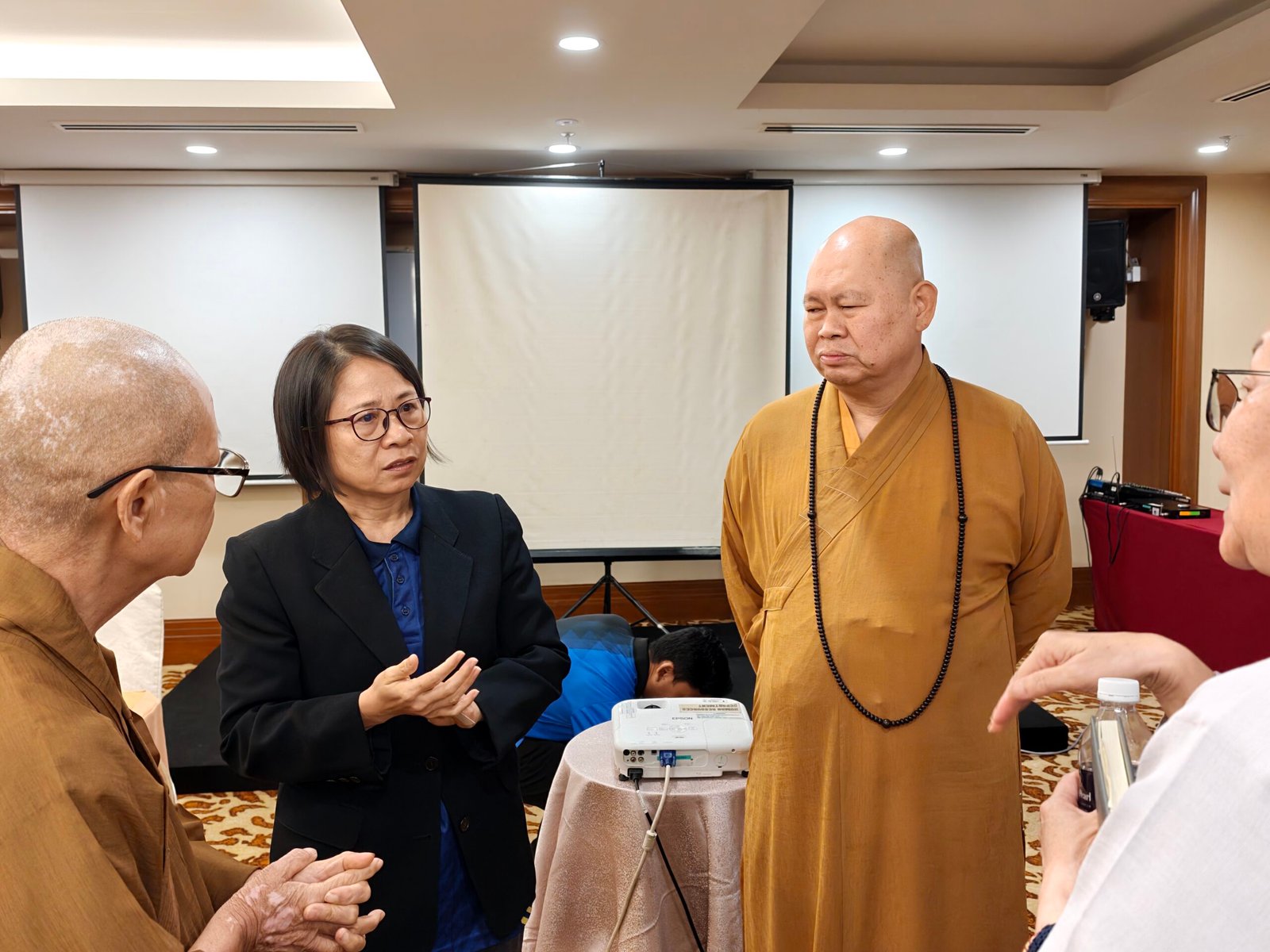
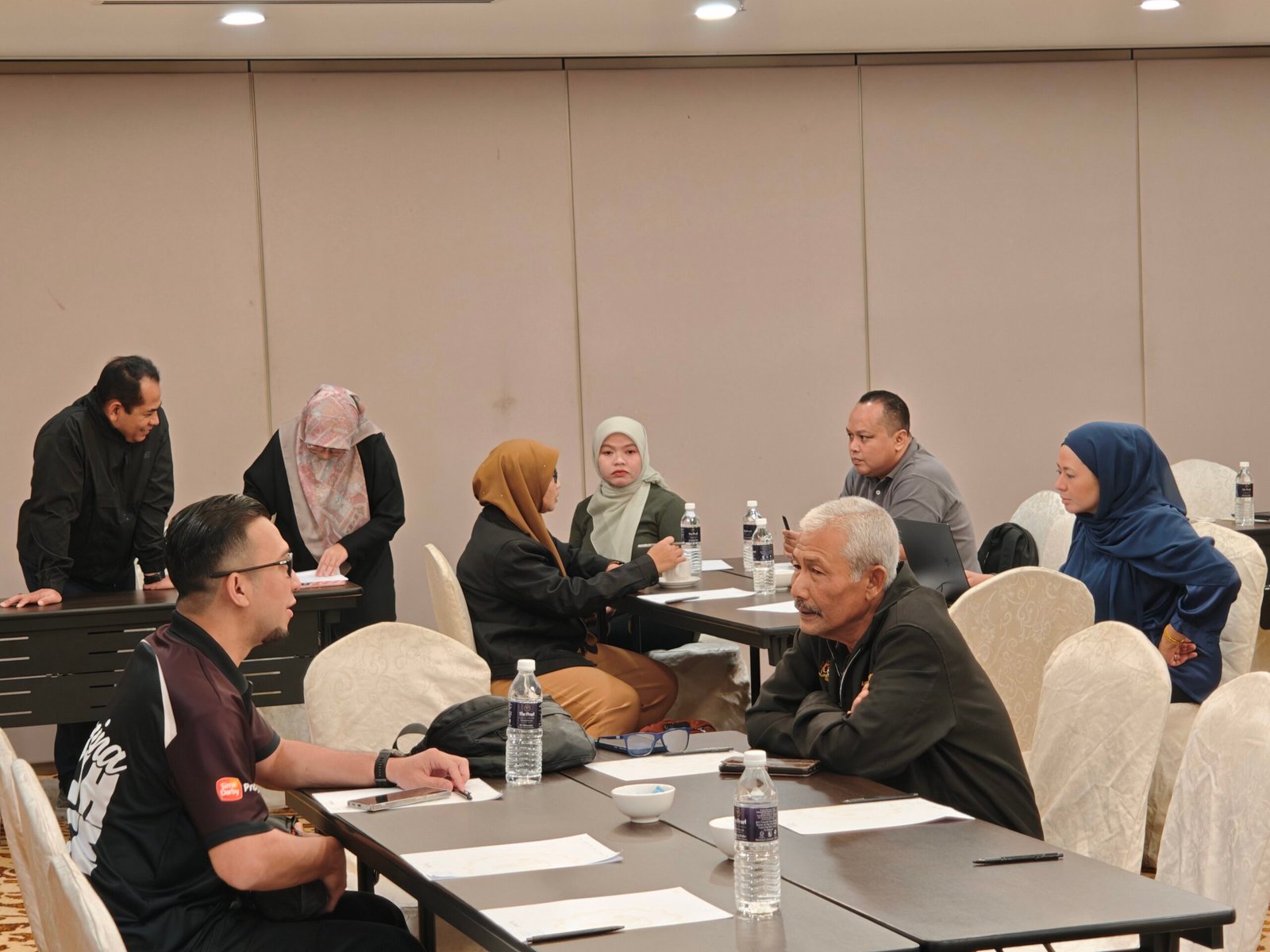
During the open floor session, the Buddhist delegation addressed common public misconceptions regarding religious traditions, clarifying that practices from Chinese Folk Religion, Taoism, and Buddhism are frequently blended in Malaysia. Responding to reports from vendors whose customers insisted on purchasing specific foreign invasive species under instructions from a “Sifu,” the delegation clarified that such figures are not recognized Buddhist monastics. In authentic Buddhist doctrine, all living beings are equal, and genuine Dhamma teachings would never instruct practitioners to release only specific types of fish under the superstition that a particular species matches a person’s individual fate or life.
To ensure high public compliance, the Buddhist delegation presented practical recommendations to streamline government administrative procedures. Recognizing that a 14-working-day approval timeline creates a major barrier, the delegation urged the Department of Fisheries to shorten initial processing and turnaround times to within one to two working days. Additionally, the delegation advised against requiring the public to download dedicated mobile applications like MyFIRST for fish release applications. Instead, they recommended a lightweight, responsive website or web application to minimize friction, noting that overly complex procedures often discourage the public from adhering to standard operating procedures.
The delegation also supported a proposal from hatchery representatives to accredit licensed fish suppliers as authorized application agents. Because buyers often struggle to distinguish local native fish from farm-bred alien lookalikes, such as local Ikan Keli versus Ikan Keli Afrika, knowledgeable vendors can assist buyers and facilitate administrative filings. Regarding a vendor proposal to establish designated public release zones, the committee noted that the proposal remains under evaluation due to concerns that publicizing fixed release sites could attract illegal fishing and poaching, undermining fish stock recovery efforts.
Buddhist Reflections: Karma, Moral Responsibility, and True Compassion
In reflecting upon the practice of life releasing, the delegates emphasized that authentic spiritual practice requires taking full moral responsibility for one’s actions and their consequences. The delegation strongly refuted the misconception that simply purchasing and releasing an animal automatically generates spiritual merit regardless of the outcome. While acknowledging the good intentions behind saving a life, delegates stressed that if an individual has been informed of the ecological risks and harms of releasing non-native species yet still insists on doing so, their actions create negative karmic consequences. Such individuals bear direct moral responsibility for causing environmental damage, spreading disease, and inflicting unnecessary suffering and death upon animals. Furthermore, the delegation reminded devotees that willful ignorance—simply refusing to learn or pretending not to know about the ecological harm—does not shield anyone from the law of karma.
The delegation outlined that performing a safe release requires specific technical capabilities: the ability to identify native species, evaluate whether the target environment ecologically supports survival, and perform health checks to avoid introducing pathogens into wild habitats. The delegates concluded with a clear directive to devotees: if an individual or organization lacks the technical knowledge or capability to fulfill these safety requirements, they should refrain from conducting animal releases altogether. True compassion must always be paired with wisdom and environmental responsibility.
Looking Ahead: Joint Action Plans for Community Education
To translate these engagement sessions into practical community results, the Malaysian Buddhist Association and the Malaysian Buddhist Bhikkhuni Association are actively planning two primary initiatives in close cooperation with government agencies, which members and the public can look forward to in the near future.
First, the associations intend to organize multi-disciplinary educational forums tailored specifically for temple leaders, monastics, and religious activity organizers. These upcoming seminars will bring together academic ecologists to present scientific research on invasive species harm, Department of Fisheries officials to explain regulatory compliance and local species identification, and monastics to re-examine the original spiritual intent of Fangsheng. The forums will also highlight alternative, sustainable forms of life protection, such as habitat preservation and supporting animal shelters.
Second, the associations are preparing to host a model demonstration release ceremony in direct partnership with the Department of Fisheries. During this event, fisheries officers will provide on-site practical training covering proper water acclimatization, ethical handling procedures, and pre-release health inspections. This initiative aims to demonstrate firsthand to religious leaders and the public that navigating official government approval channels is straightforward, accessible, and vital for protecting Malaysia’s aquatic ecosystems.
Temple members and the public are encouraged to stay tuned for further updates as these important educational programs develop.